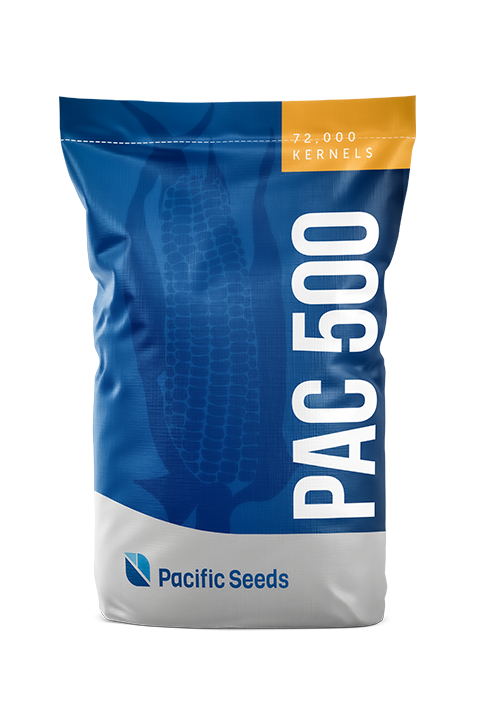

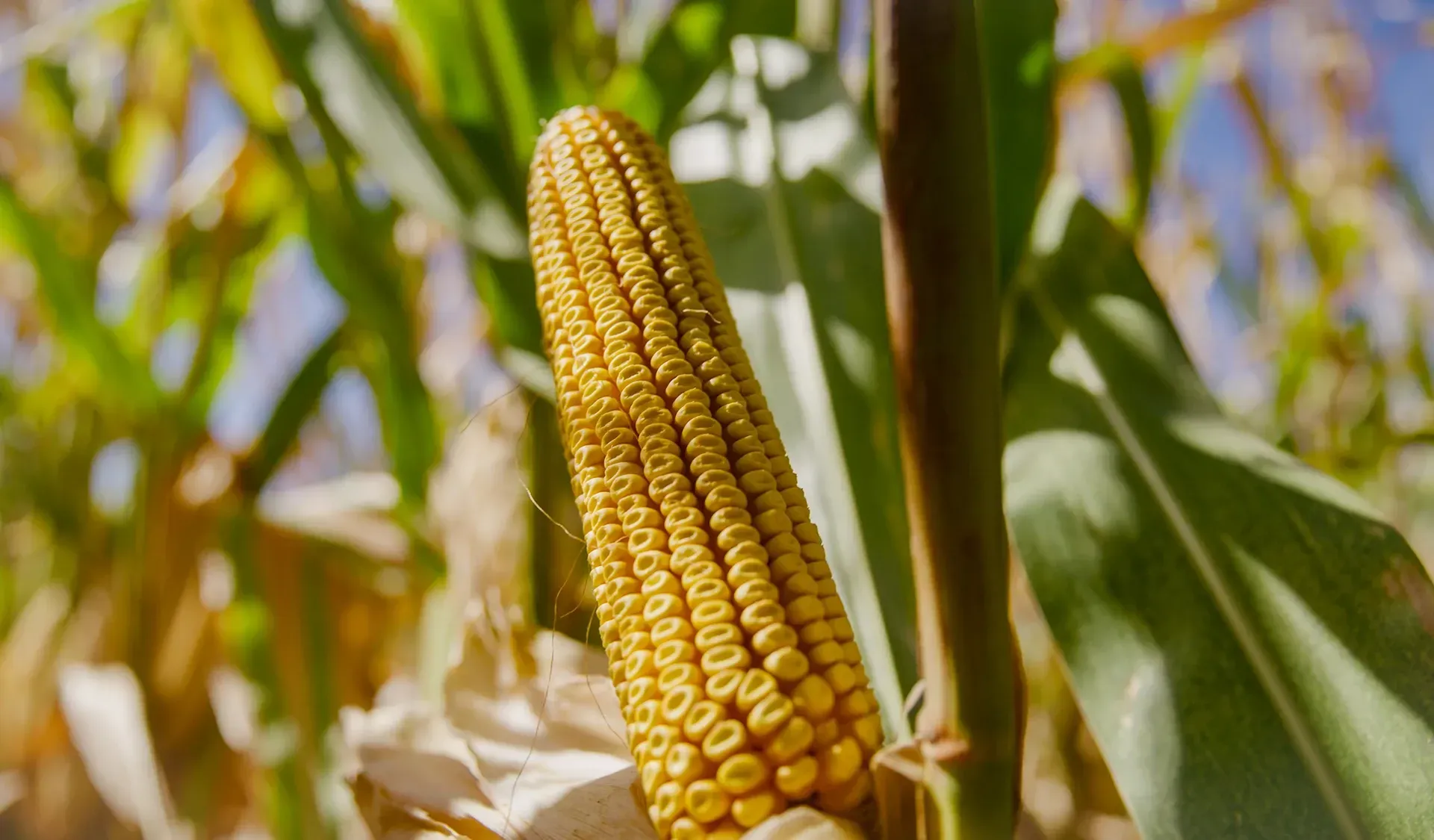
PAC 500 –
The 8th Wonder
PAC 500 –
The 8th Wonder
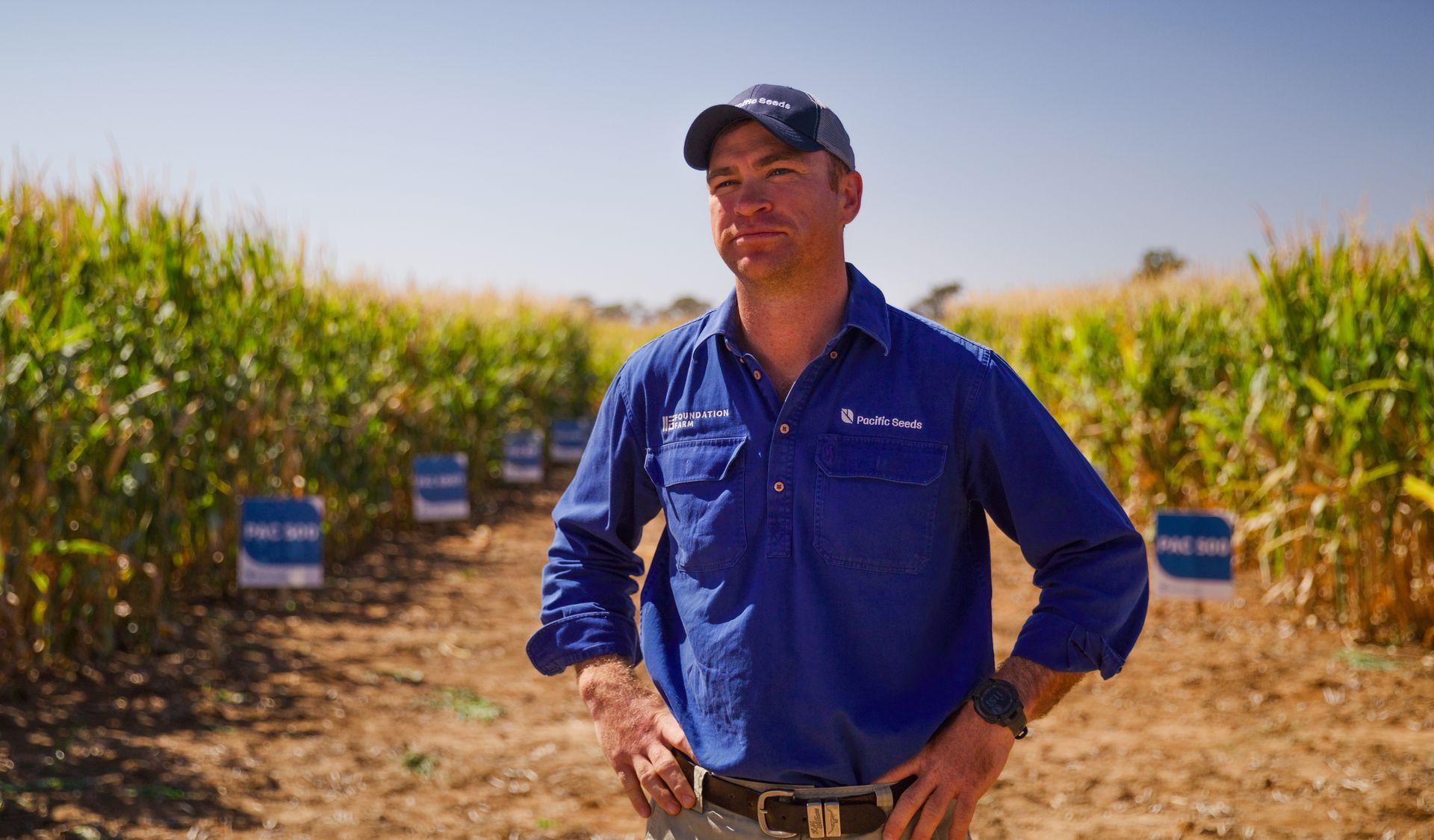
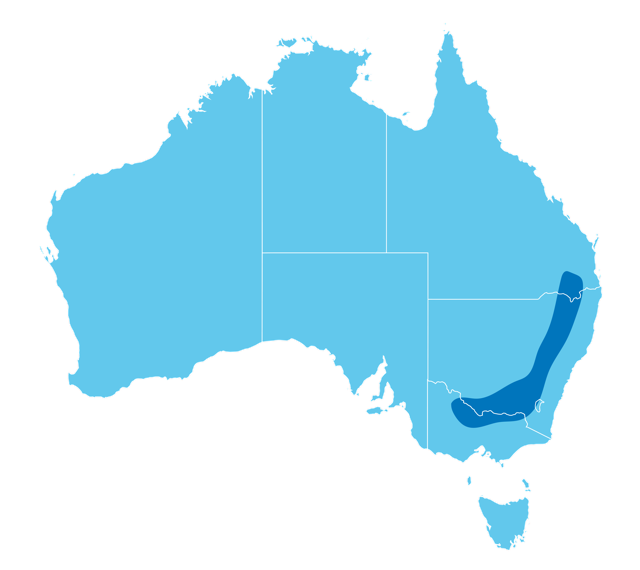
From Northern Victoria to Southern Queensland, PAC 500 offers reliable dual-purpose performance with excellent grain and silage yield, providing flexibility and standout results.
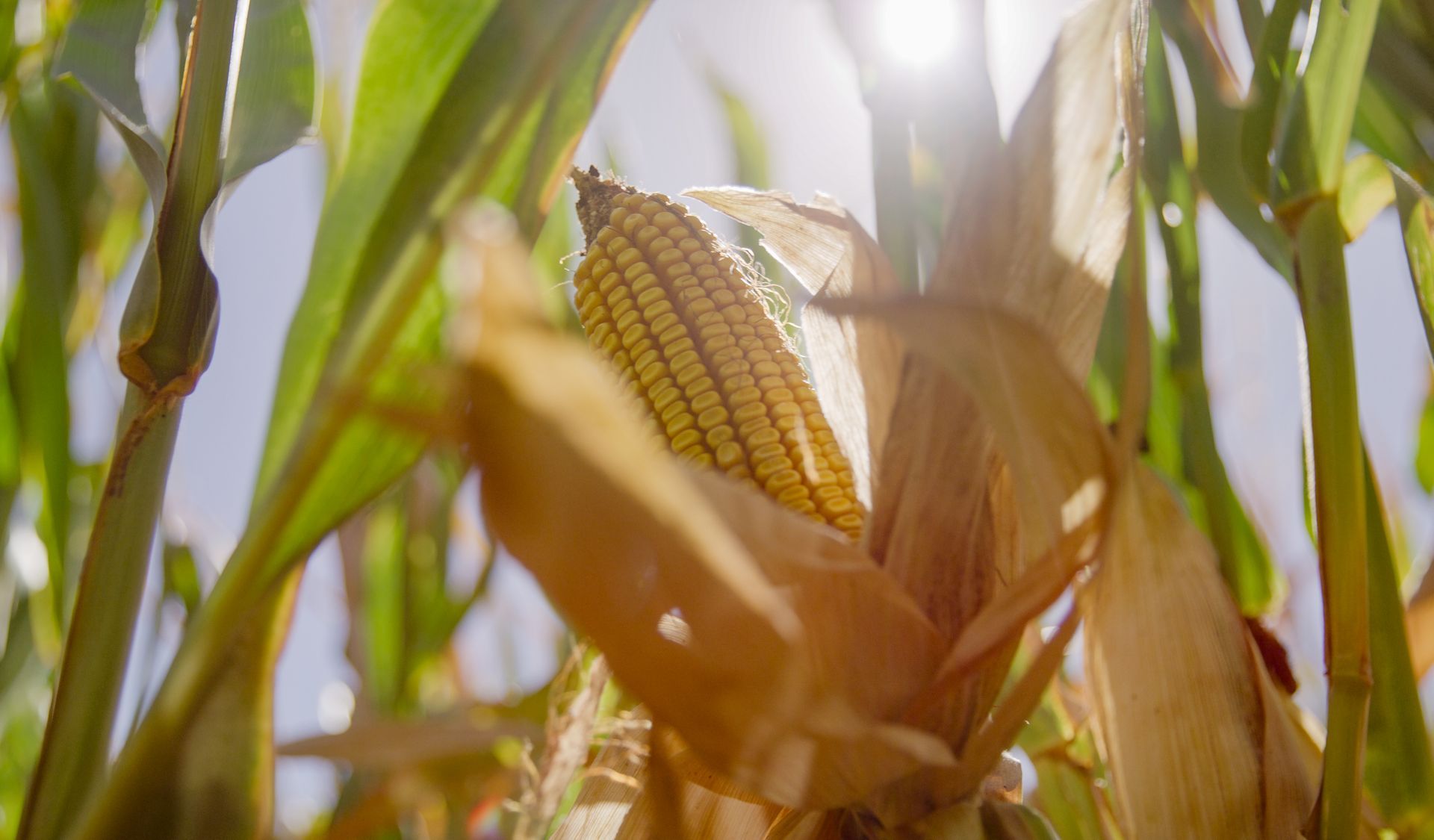
PAC 500 offers excellent yield potential, a tall plant structure, and reliable disease resistance, making it a versatile hybrid for various environments.
Yield adaptability
- Excellent productivity across dryland and irrigated setups, with semi-dent grain that makes it a valuable choice for quality feed systems.
Strong disease resistance
- With robust protection against Northern Leaf Blight, this hybrid ensures reliable performance, even under pressure, for peace of mind in the field.

Plant vigour
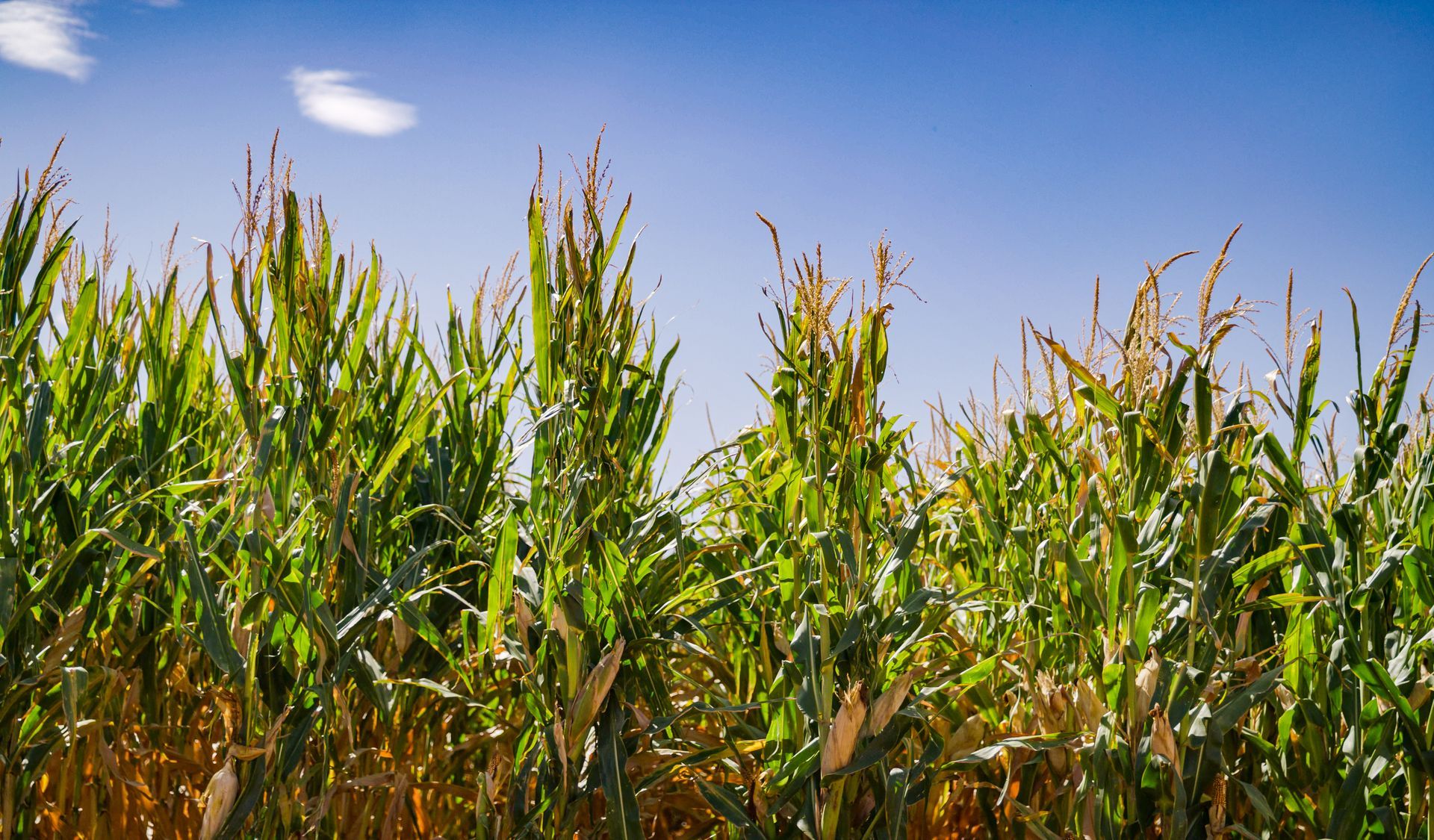
- Tall and strong growth with excellent emergence and an upright stature makes it easy to manage in the field and harvest.
Exceptional silage quality
- More than just volume, this hybrid delivers high-energy, high-quality silage, perfect for intensive livestock systems.
Yield adaptability
- Excellent productivity across dryland and irrigated setups, with semi-dent grain that makes it a valuable choice for quality feed systems.
Strong disease resistance
- With robust protection against Northern Leaf Blight, this hybrid ensures reliable performance, even under pressure, for peace of mind in the field.

Plant vigour
- Tall and strong growth with excellent emergence and an upright stature makes it easy to manage in the field and harvest.
Exceptional silage quality
- More than just volume, this hybrid delivers high-energy, high-quality silage, perfect for intensive livestock systems.
Hear from the team behind PAC 500 as they share why this hybrid stands up to pressure and delivers when it counts.
PAC 500 Stability Plot
Formula: y = -0.43 + 1.2x, R^2 = 0.965
Note: The information provided in this graph is a summary.
For the full trial data, please reach out directly to our Pacific Seeds team to read the full trial data.

PAC 500
Grain Yield x Plant Population under Irrigated Environments
5 Locations across VIC, NSW & QLD in 2024
Loading chart data...
Error loading chart data. Please check your CSV URL.
Attributes
Yield adaptability
Blackleg Rating (UCI)
Blackleg rating (bare)
Blackleg groups
Oil Potential
Herbicide tolerance
Maturity
# Plant vigour
# Plant height
Growing zones
Rating
1.0 - 4.5 t/ha
R
R
ADFH
High - very high
XXL + CL
Early - mid
8.5 - 9.0
Med - Tall
LRZ - HRZ
Attributes & Ratings
| Attributes | Rating |
|---|---|
| Yield adaptability | 1.0 – 4.5 t/ha |
| Blackleg rating (UCI) | R |
| Blackleg rating (bare) | R |
| Blackleg groups | ADFH |
| Oil potential | High – very high |
| Herbicide tolerance | XX + CL |
| Maturity | Early – mid |
| # Plant vigour | 8.5 – 9.0 |
| # Plant height | Medium – tall |
| Growing zones | LRZ – HRZ |
| Product | Maturity | Grain Yield for Maturity (1 Poor – 9 Excellent) | Silage Yield for Maturity (1 Poor – 9 Excellent) | Grain Type (Dent – Flint) | Silage Quality (1 Low – 9 High) | Plant Height (1 Short - 9 Tall) | Husk Cover (1 Open – 9 Closed) | Dryland Suitability (1 Not – 9 Highly Recommended) | Northern Leaf Blight (1 Susceptible – 9 Resistant) | Stalk Rots (1 Susceptible – 9 Resistant) | Cob Rots (1 Susceptible – 9 Resistant) |
|---|---|---|---|---|---|---|---|---|---|---|---|
| PAC 500 | 111 | 9 | 8 | 5 | 9 | 8 | 9 | 7 | 7 | 8 | 8 |
Important note: this is a guide only, to make a fully informed choice, please refer to our Advanta Seeds Pty Ltd specific conditions
Technote and Tools

Get all the technical detail you need – from planting and population advice to disease resistance and yield performance.
Technote and Tools
Get all the technical detail you need – from planting and population advice to disease resistance and yield performance.

FAQs for
What does CRM mean, and what's the CRM of this hybrid?
Comparative Relative Maturity (CRM) is a standardised measure used to compare how long it takes different corn hybrids to reach physiological maturity—specifically, when the grain reaches black layer.
PAC 500 has a CRM rating of 111 days*, which places it in the medium maturity category. This means it takes longer to mature than quick-season hybrids, making it a strong choice where longer growing windows allow for maximising yield potential.
*Although CRM is expressed in “days”, it’s not a literal count of calendar days. Instead, it reflects a relative measure based on accumulated heat units (growing degree days or GDDs) under standardised conditions. So, a 111 CRM hybrid like PAC 500 typically matures later than hybrids with lower CRM values, but the actual number of days to maturity can vary by environment.
What levels of stay green are in this hybrid?
PAC 500 has a moderate to high level of stay-green, helping it maintain leaf area for longer during grain fill. This supports yield potential under moisture stress, provides flexibility around harvest timing, and contributes to overall crop resilience in tougher seasons.
What is the dry down like on this hybrid?
PAC 500 has excellent grain dry-down, allowing for timely harvest and reduced reliance on artificial drying. This helps lower harvest costs and manage logistics more efficiently, especially in high-yielding or late-planting situations.
What population should I plant this hybrid at?
A general recommendation is to plant between 80,000 and 90,000 seeds/ha. However, the ideal population depends on your paddock conditions, seasonal outlook, and management approach. For the best result, consult your agronomist or Pacific Seeds technical staff to tailor a planting rate that suits your farm.
Can I use 'IMI' herbicides on this hybrid?
No — PAC 500 is not part of the Imidazolinone Tolerant (IT) range, so IMI herbicides should not be used on this hybrid.
If you require IMI tolerance, look for any of our hybrids with ‘IT’ at the end of their name — these are specifically bred to tolerate registered IMI herbicides.
What end uses are applicable for this hybrid?
PAC 500 is a versatile hybrid suited to feed grain and silage. It delivers strong grain quality and yield for livestock feed and export buyers, while also offering good whole plant characteristics for silage production.
What's the best areas to grow this hybrid?
Want to find out more?
Ask us about how our products can add value to your business and customers.


Want to find out more?
Ask us about how our products can add value to your business and customers?