Download The


Current farming practice
Dryland farming
Dryland grain sorghum production accounts for the largest proportion of Sorghum area under cultivation where crop production is underpinned by the accumulation of stored soil water in the fallow preceding planting. In some instances, sorghum has been grown as a “double-crop” after winter crop harvest where sufficiently rainfall is received around or soon after the harvest period to provide at least some replenishment of subsoil moisture and sufficient planting moisture to justify a planting decision.
In northern New South Wales (NSW) outside of the higher rainfall areas, dryland sorghum is more often than not grown on a longer fallow from a previous winter crop with spring or early summer planting preferred depending on the timing of planting rains.
In more favoured areas and further north where summer growing season rainfall is usually greater, rotations tend to be shorter with sorghum grown following either sorghum or another summer crop including dryland cotton, occasionally sunflower or pulse crop such as mungbean. Chickpea is frequently planted in rotation with sorghum in southern Queensland (QLD) where a double crop makes up a significant proportion of area of chickpea planted on the central and eastern Darling Downs regions.
Irrigated farming
Areas of irrigated production vary with availability of irrigation water and the relative profitability of alternative crops. In recent decades, irrigated cotton has comprised the largest footprint of broadacre crops displacing traditional grain crops in some areas. Sorghum has been no exception to this though there are still significant areas of sorghum grown under irrigation and in particular northern NSW and southern QLD. Irrigated crops make up the greater proportion of crops grown in central and southern NSW where the incidence of growing season rainfall makes dryland production unreliable. Traditional production systems have utilised a flood/furrow irrigation layout though increasingly, overhead irrigation systems delivering water via centre pivot or lateral move systems have accounted for significant areas of production.
Geographical distribution of grain sorghum
Grain sorghum is grown over a wide latitude extending as far south as the Riverina district in southern NSW to the northern central highlands in Queensland. Sorghum has also been grown outside this area over the history of production but currently, no extensive areas for grain production are consistently planted outside this general area
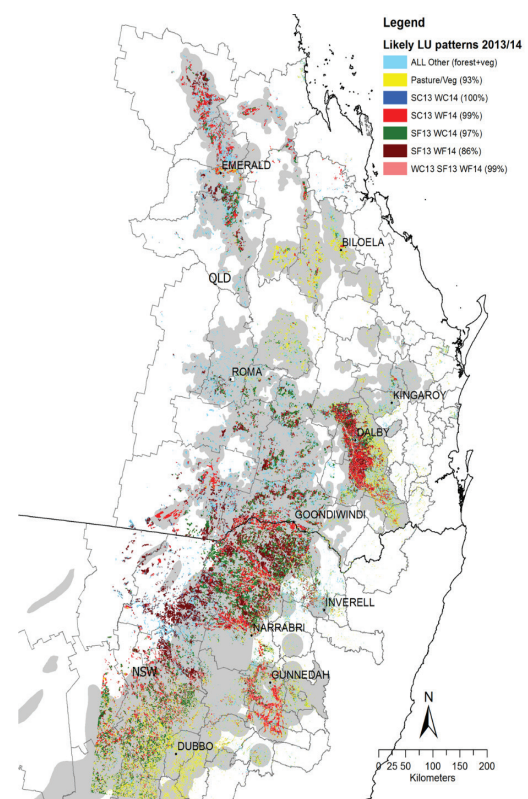
Figure 1: Northern NSW and Southern QLD grain
sorghum growing areas
Current herbicide strategies
In-crop weed control is largely borne by the use of atrazine and metolachlor/s-metolachlor as pre-emergence treatments and atrazine and fluroxypyr as post-emergence herbicides. Interrow cultivation is still extensively used in flood/furrow systems but the use of interrow cultivation has declined over time for dryland production where zero and minimum tillage farming systems have displaced conventional farming practices.
Other selective pre-emergence herbicides include terbuthylazine (Terbyne) while this product is also used as a substitute for the lower-priced atrazine as a post-emergence herbicide in partner with fluroxypyr. Products containing Picloram and 24D are used less due to the superior crop safety profile of fluroxypyr plus atrazine/terbuthylazine. Bromoxynil, while registered for use, is rarely if ever used. Triclopyr e.g. Garlon 600 is occasionally used in post-emergence mixtures to enhance control of prickly paddy or camel melon.
Valor (flumioxazin) has been utilised in fallow leading up to various crops as a residual herbicide and provides an important tool in providing pre-emergence control of Feathertop Rhodes grass and sowthistle in particular. Interrow shielded application of glyphosate has been used in the past but this never became a widely practiced method of weed control except in salvage situations where pre-emergence herbicides were not applied, and grass-weed control could not be affected using selective post-emergence herbicides.
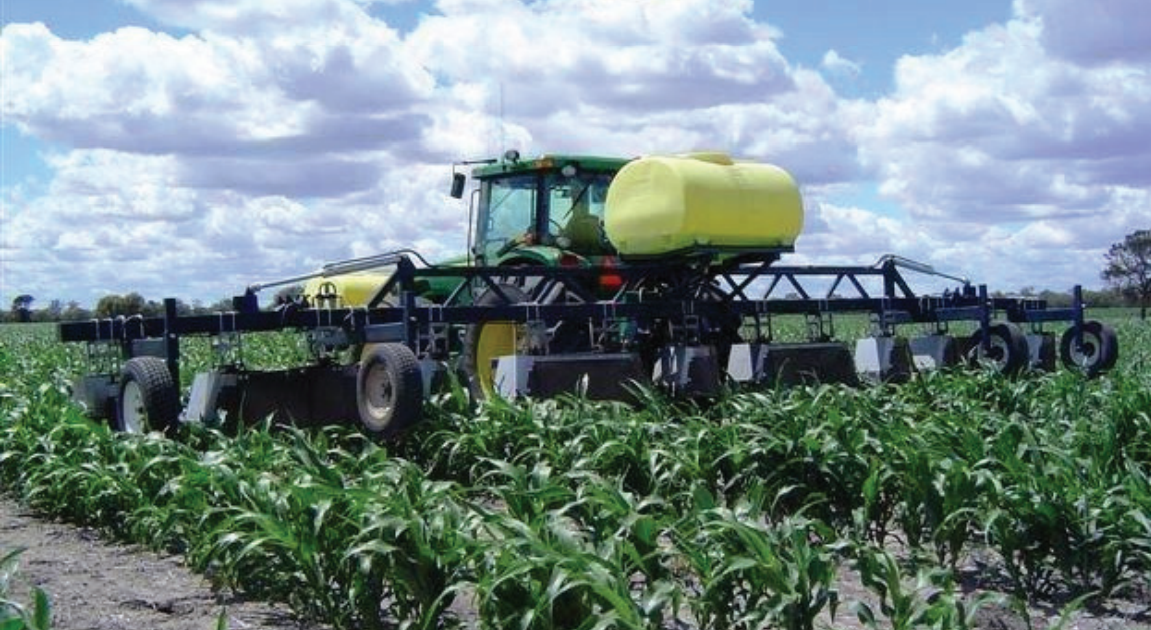
Shielded Sprayer. Photo courtesy of Hayes Spraying
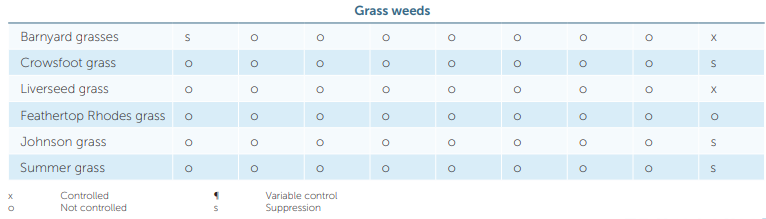
Post-emergence options for grass-weed control remains an outstanding vulnerability of weed control in grain sorghum, this almost completely being reliant on s-metolachlor/metolachlor and to a much lesser extent atrazine and terbuthylazine.
Triazine herbicides and in particular atrazine has declined in effectiveness against grass weeds through a combination of evolving resistance of species such as awnless barnyard grass but also commonly through a shift toward incidence of grass species having a low or inconsistent susceptibility to triazine herbicides. These species include liverseed (urochloa) grass, Feathertop Rhodes grass, sweet summer grass (central Qld), sorghum spp., dinebra grass, crowsfoot grass, stink (black) grass, native millet, spring grasses, windmill grass, button grass and a number of other native perennial grasses which have become more prominent in zero-tillage production systems.
Current farming practice
Table 1: Central Queensland
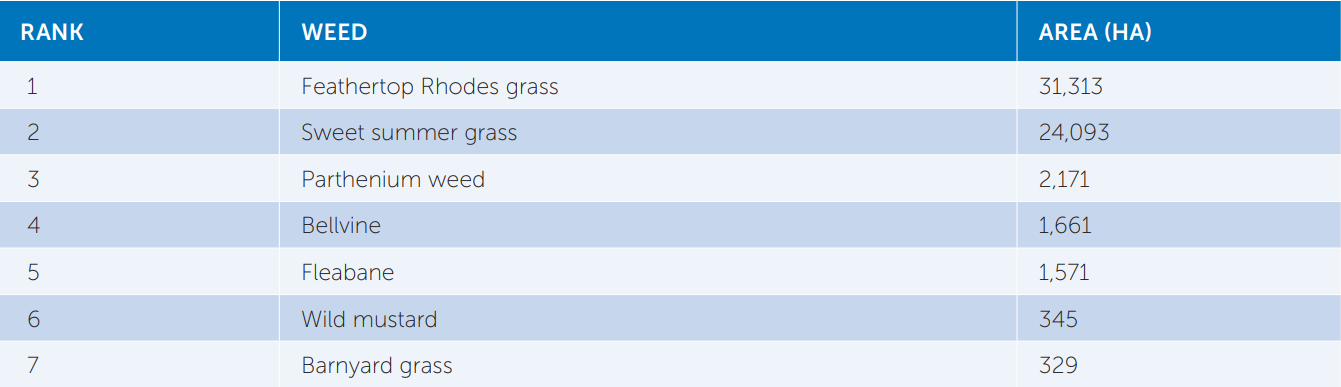
Table 2: New South Wales - North East, and Queensland - South East
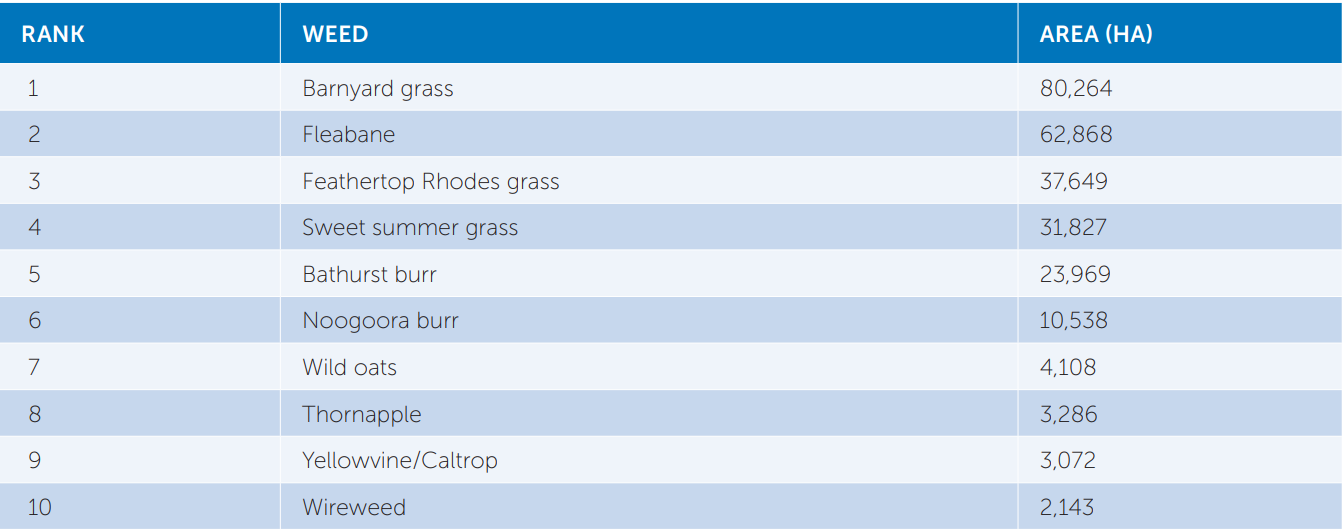
Table 3: New South Wales - North West, and Queensland - South West
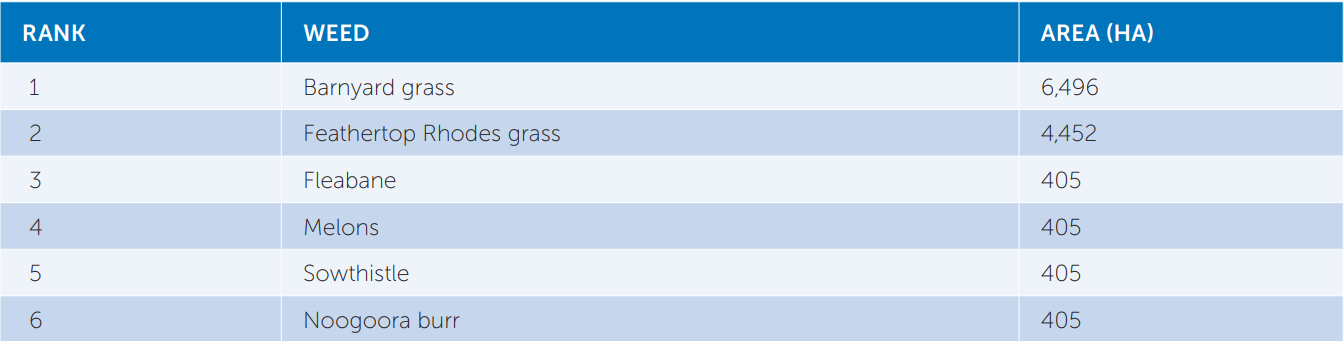
Source: Llewellyn RS, Ronning D, Ouzman J, Walker S, Mayfield A and Clarke M (2016) Impact of Weeds on Australian Grain Production: the cost of weeds to Australian grain growers and the adoption of weed management and tillage practices
Report for GRDC. CSIRO, Australia.
Visual weed identification – key weeds
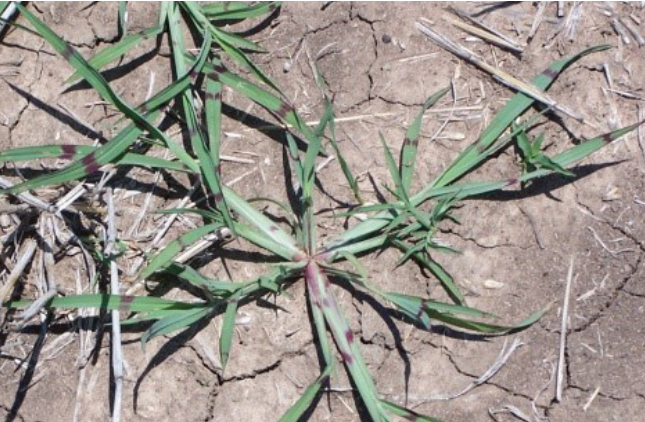
Awnless barnyard grass
Echinochloa colona
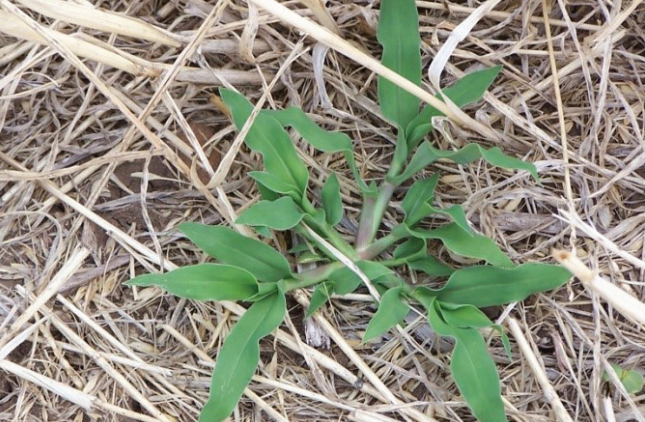
Liverseed (urochloa) grass
Urochloa panicoides
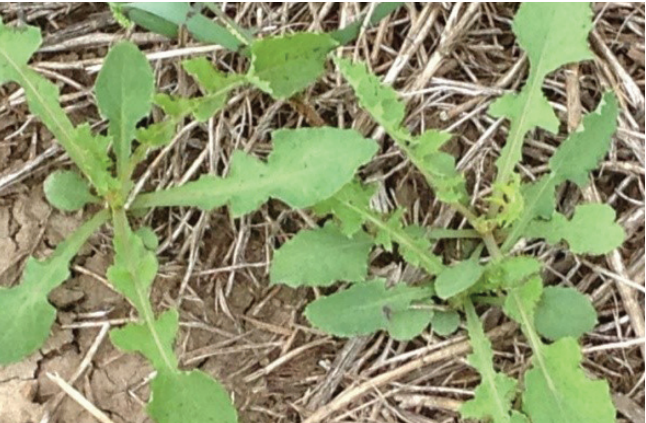
Sowthistle
Sonchus oleraceus
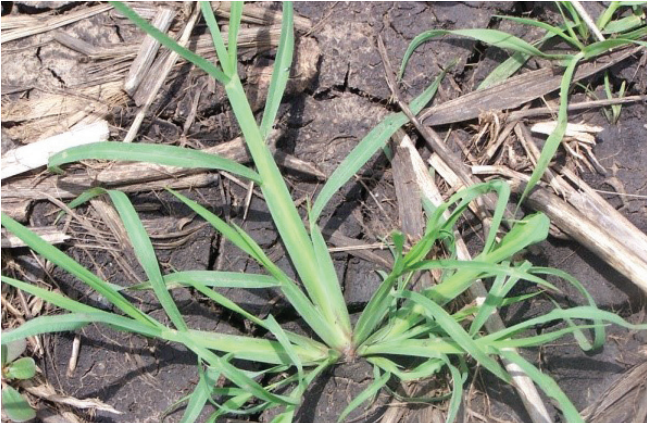
Feathertop Rhodes grass
Chloris virgata
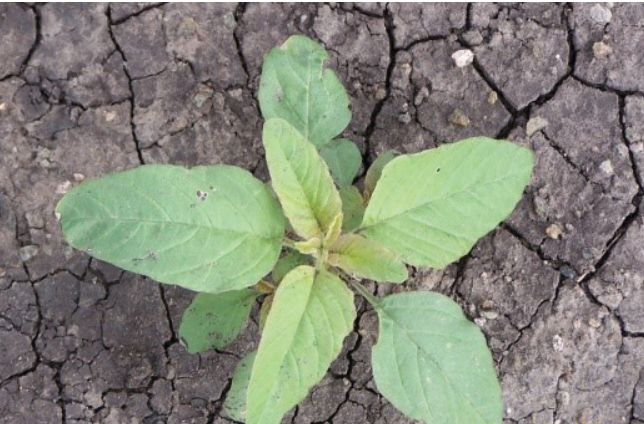
Red root amaranth (Redshank)
Amaranthus hybridus
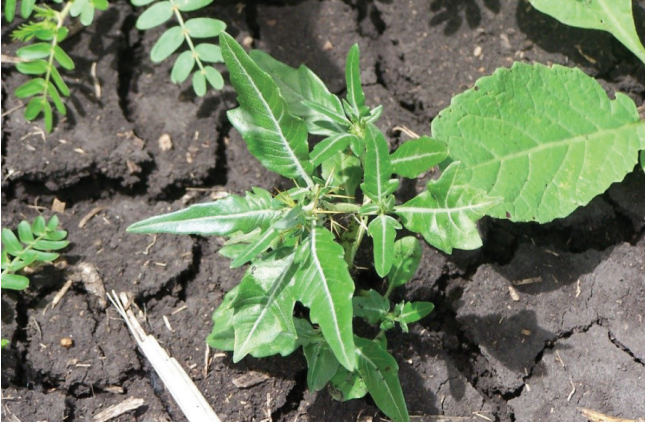
Bathurst burr Xanthium spinosum
Visual weed identification – key weeds
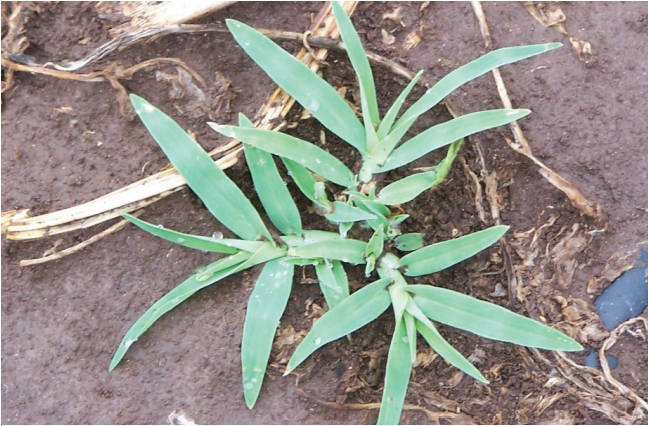
Crowsfood grass Eleusine indica
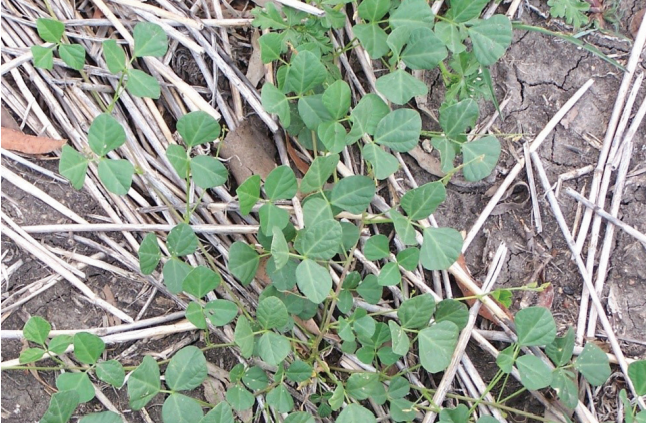
Rhynchosia
Rhynchosia minima
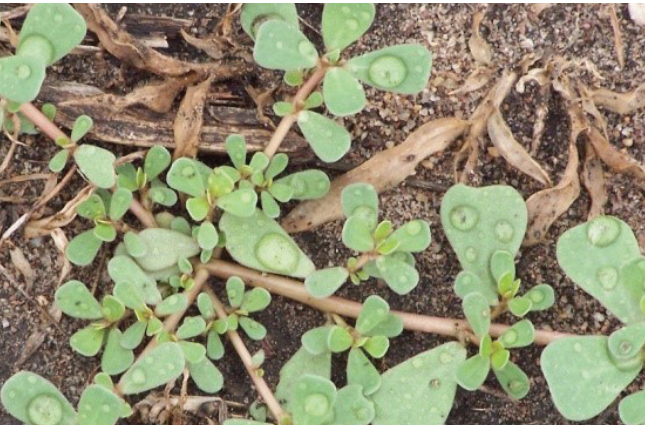
Red pigweed
Portulaca oleracea
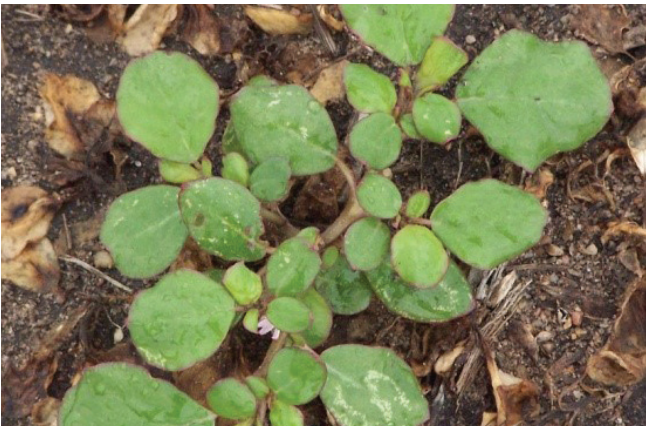
Black pigweed
Trianthema portulacastrum
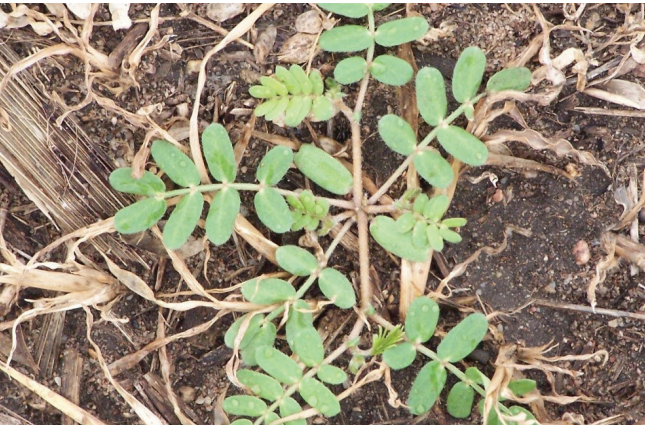
Caltrop Tribulus terrestris
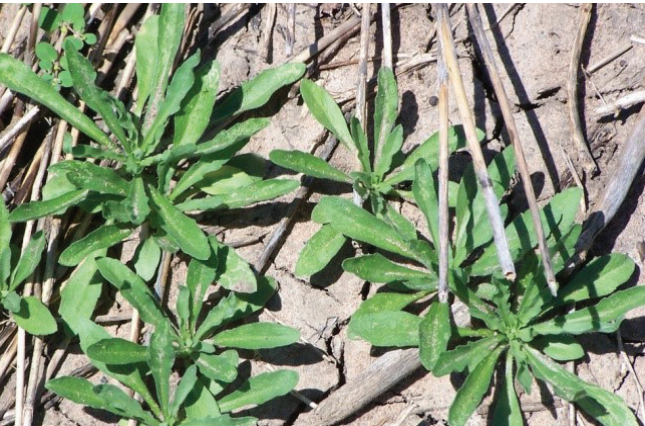
Flax-leaf fleabane
Conyza bonariensis
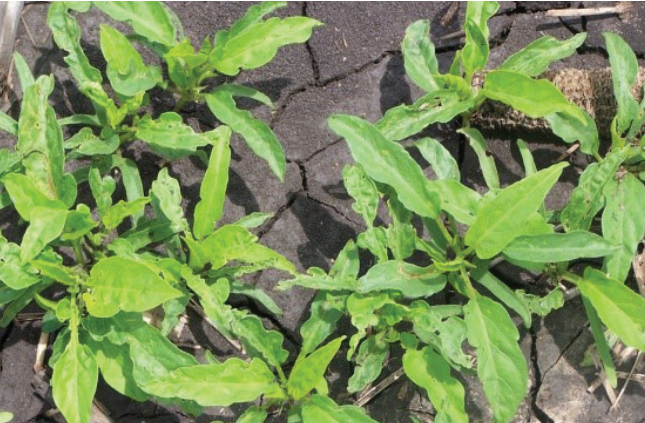
Cowvine (peachvine) Ipomea lonchophylla
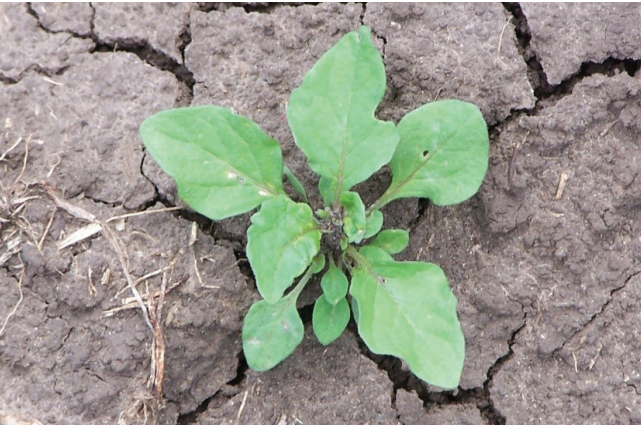
Blackberry nightshade
Solanum nigrum
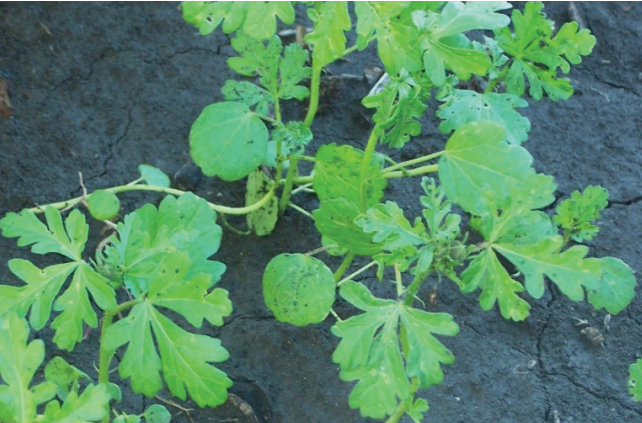
Bladder ketmia
Hibiscus trionum ssp. Trionum
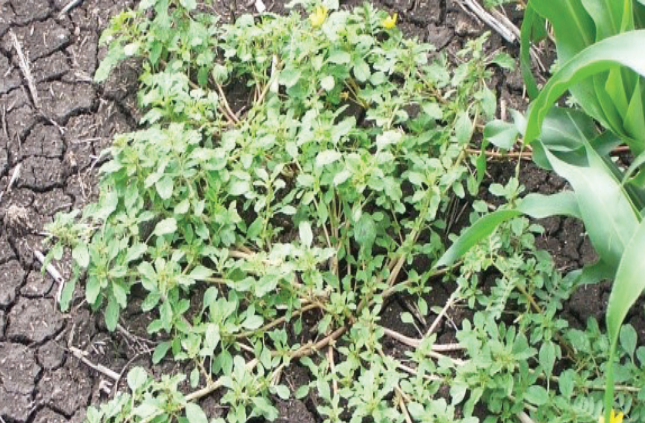
Dwarf amaranth
Amaranthus macrocarpus
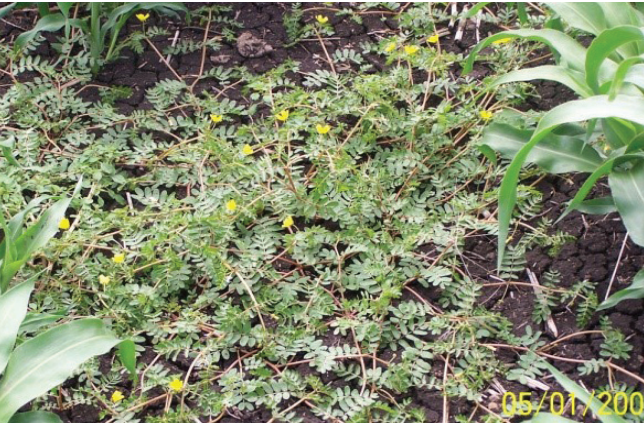
Yellowvine
Tribulus micrococcus
Herbicides
Table 4: Registered herbicides
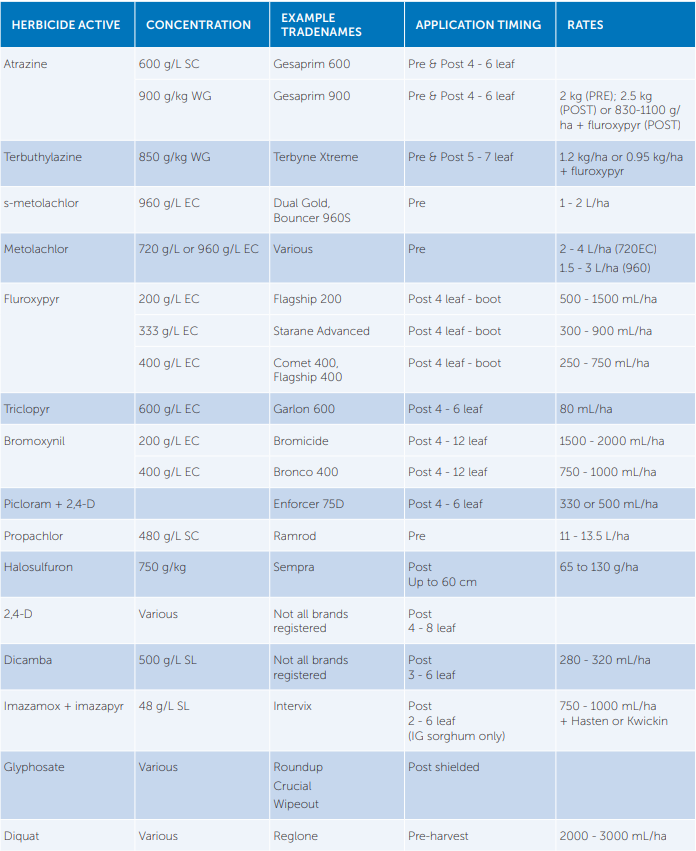
Comments on herbicides
- Dicamba and 2,4-D are rarely used as these can cause significant crop injury when applied over-the-top.
- Not all brands of 2,4-D are registered as risks of crop injury are considered to outweigh commercial risk
to the registration holder. - Picloram + 2,4-D is rarely used due to marginal crop selectivity in some situations.
- Halosulfuron can cause crop shortening and stunting particularly at the higher rate.
- Propachlor is rarely if ever used due to high cost when compared to alternative treatments.
- Atrazine is compatible with s-metolachlor, metalochlor, propachlor, fluroxypyr, triclopyr, bromoxynil,
picloram + 2,4-D, dicamba and 2,4-D. - Metolachlor and s-metolachlor are registered for use prior to, at or immediately following planting.
A label extension for use post-emergence has been granted. - Non-ionic surfactant is recommended for post-emergence applications including atrazine.
- An esterified vegetable oil surfactant such as Hasten is recommended for post-emergence applications
of terbuthylazine or Intervix.
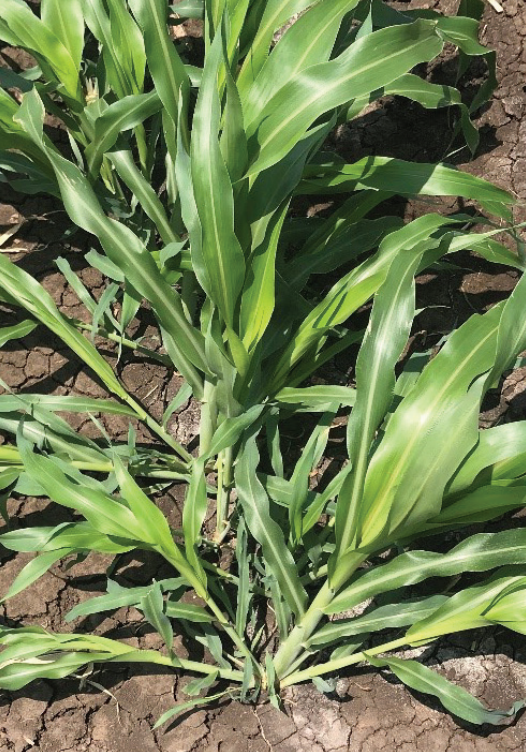
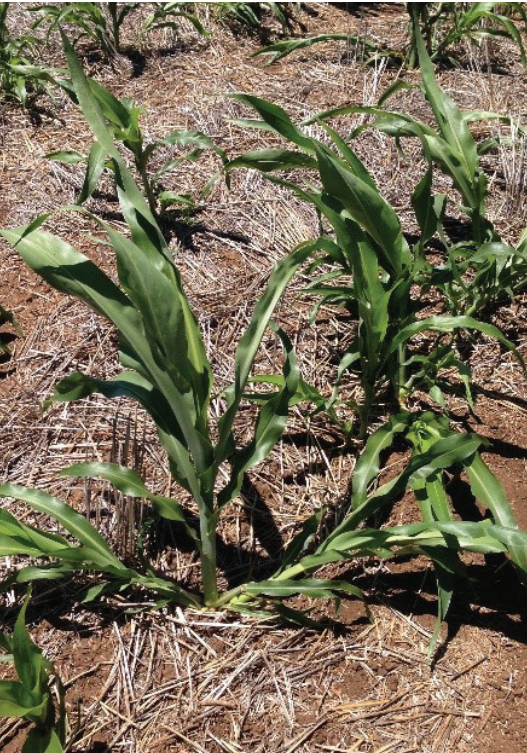
Weed control guide
Table 5: Grass weeds – Pre-emergence
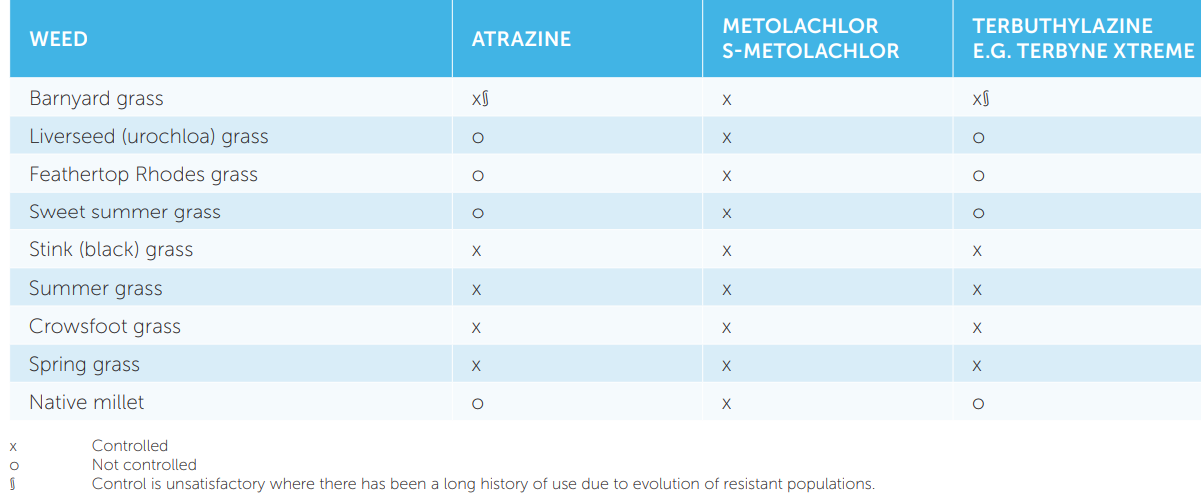
Table 6: Broadleaf weeds – Pre-emergence
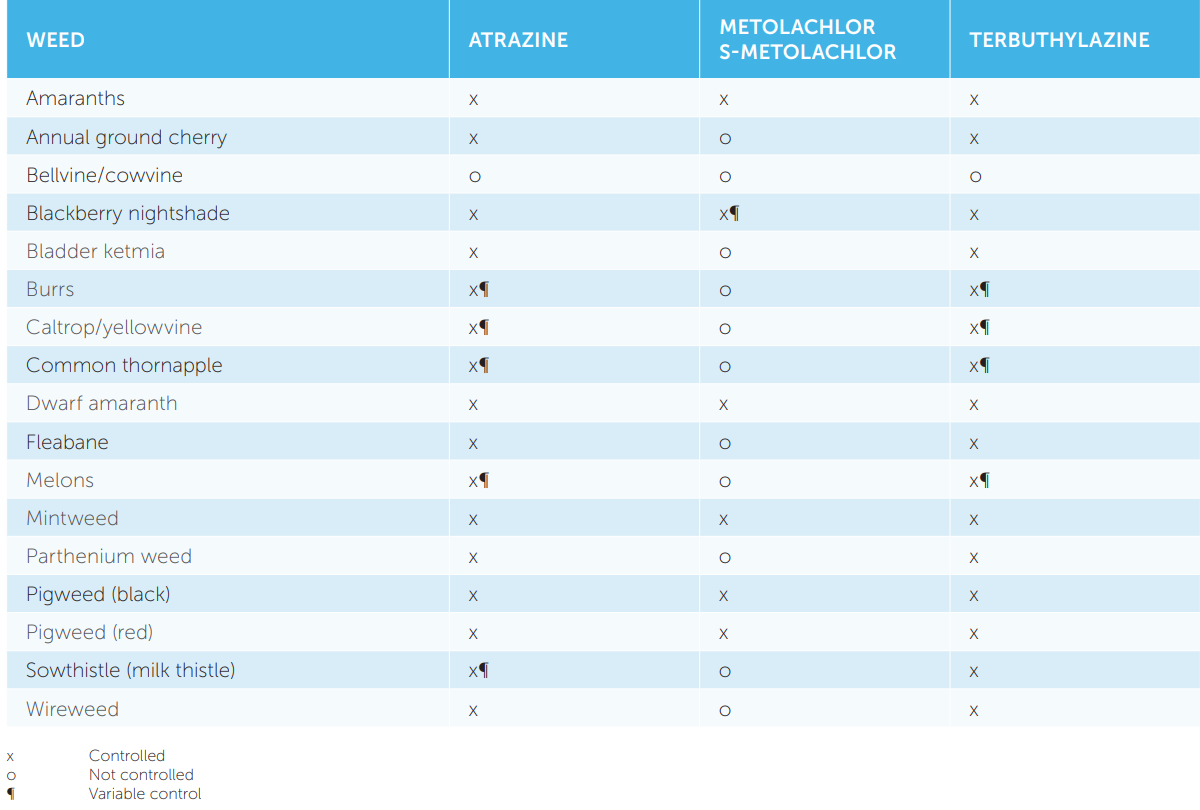
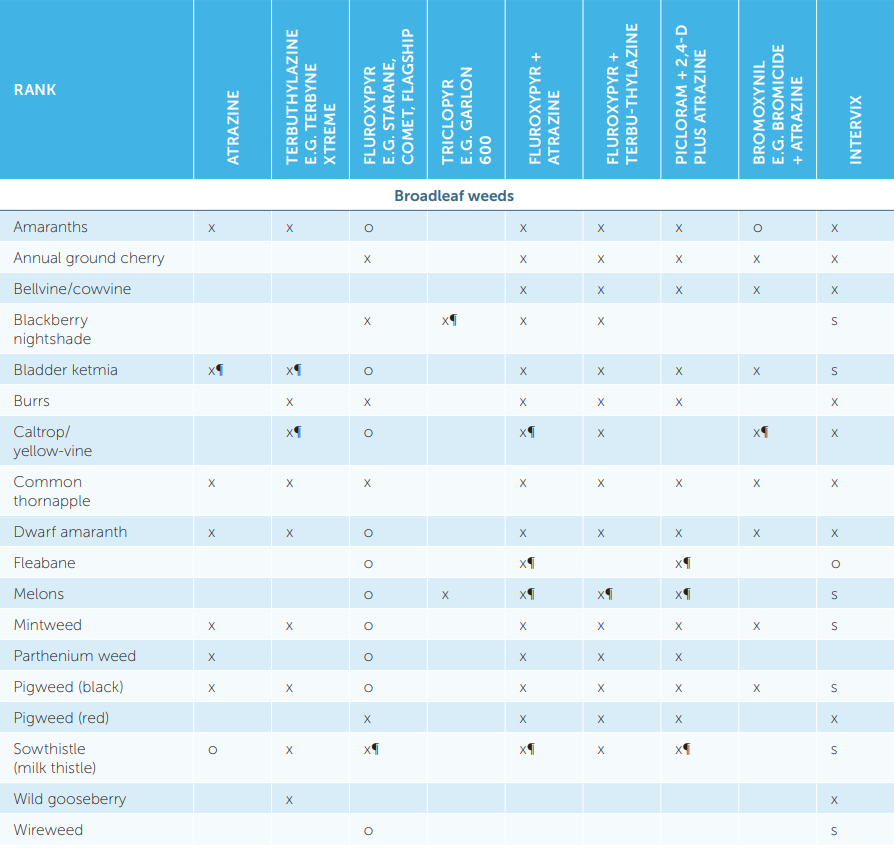
Table 7: Post-emergence
Use of Residuals
Reliance on pre-emergence herbicides for grass weed control has been a vital component for weed control in sorghum due to the lack of effective and selective post-emergence herbicide options, other than with shielded applications with glyphosate.
Initially, atrazine provided effective pre and post-emergence control of a wide range of weeds. However, a number of grass species were either not effectively controlled including liverseed grass (some populations were partially susceptible initially) and many native grasses including native millet, Qld blue grass and spring grasses proved tolerant. Further, as use of atrazine became regular in sorghum production, effectiveness appeared to decline on important grass species such as awnless barnyard grass due possibly to evolution of resistant weeds and/or the accelerated bio-degradation of atrazine which occurs when soil microflora capable of degrading atrazine in the soil, build up in number as use intensifies.
Useful Link:
ICAN Herbicide and Weed manuals:
www.icanrural.com.au./resources.html
Figure 2: Sorghum growth stages by herbicide applications
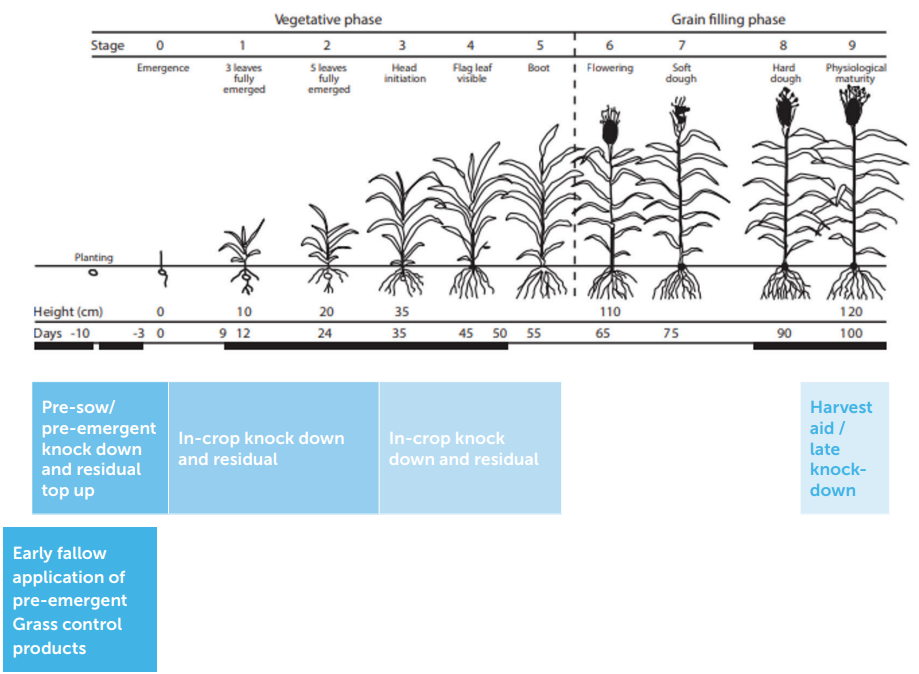
Source: Adapted from NSW DPI Grain Sorghum Ag Facts.
Broadleaf options
Many broadleaf weeds are consistently and well controlled by pre-emergence applications of either atrazine or terbuthylazine where these germinate on rainfall or over-head irrigation following application. Inconsistency in control is often the result of weeds having germinated prior to application but not controlled at the point of treatment. This is frequently the situation where treatments are applied at planting where the planting rain initiates germination, but these fail to emerge in time for knockdown sprays to be able to remove them prior to crop emergence.
A further problem may occur where hard-to-kill weeds such as flax-leaf fleabane are not effectively controlled at the point of planting due either to difficulties in achieving good coverage in standing stubble, or due to restriction in options available for knockdown of well-established weeds at the point of planting.
A good option to avoid either of these situations, is to consider bringing forth application of pre-emergence herbicides prior to a planting rain or in the case of fleabane even earlier where the onset of spring germination can occur from early August once soil temperatures rise and spring rainfall stimulate emergence.
Pre-emergence control of deep germinating broadleaf weeds is also problematic with pre-emergence herbicides where dryness in the surface layers and moisture below can facilitate germination of weeds in the region of soil where herbicide is not present. Weed species where this is observed include cowvine (peachvine), bellvine, burrs (Bathurst and Noogoora), thornapples, bladder ketmia and native legumes including Rhynchosia, native sensitive weed, native vigna. In addition, pre-emergence control of yellowvine or caltrop also proves problematic with atrazine and terbuthylazine though under wet conditions, control is more effective.
Post-emergence application of herbicides is frequently a better strategy where the weed spectrum is made up chiefly of weeds that germinate from depth or include native legumes. In this case, combinations of either atrazine or terbuthylazine with fluroxypyr (e.g. Starane Advanced, Comet 400, Flagship 400) represents a more cost-effective approach. Where weed numbers are expected to be high and where other more susceptible weeds to pre-emergence herbicides are present, a pre-emergence application either in the fallow prior to sorghum or at the point of planting remains as a sound option.
Grass options
Pre-emergence treatments for control of grasses depends very much on the timeliness of application of s-metolachlor or metolachlor in relation to the expected emergence time for grasses. Like some broadleaf weeds that begin to emerge during late winter and early spring, grass control can be compromised if applications of pre-emergence treatments take place following the initiation of germination of grass weeds particularly where this takes place simultaneous with crop planting and herbicide application.
In the case of Feathertop Rhodes grass, germination can take place virtually at any time except under very cold conditions which means that when temperatures are sufficiently high for sorghum planting, Feathertop Rhodes may have already germinated and options for knockdown control are virtually exhausted where populations exhibit tolerance to glyphosate sprays.
A strategy recently employed on some farms is to bring forward the application of s-metolachlor or metolachlor well in advance of the first significant emergence of Feathertop Rhodes grass. In southern Qld, this requires applications any time from early to mid-August prior to rainfall events of at least 10 mm on medium clays or 15 to 20 mm on heavy clay soils. While it is preferred to time applications within a couple of weeks of application, treatments can remain effective for some time without the occurrence of activating rainfall though expected duration of effect of metolachlor will decline in the absence of rainfall over time.
Mechanical incorporation after application is a viable strategy where the field has no stubblie or is conventionally formed. Mechanical incorporation should insure the chemical is incorporated to a depth greater than 1-2cm.
For other spring germinating grasses such as barnyard grass, applications can be delayed until late September or early October as the emergence period for this weed does not commence as early as for Feathertop Rhodes. Pre-emergence control of liverseed (urochloa) grass can be problematic as in many years, emergence can take place during winter months if there are sufficiently warm temperatures around the time of rainfall events from late autumn. In this instance, it is better to deal with any early emergence with cultivation or knockdown spray and apply pre-emergence treatments to a “brown field” or at least at a time when there is no germination taking place. In instances where fallow applications of metolachlor take place prior to planting rainfall, it is recommended that a “top up” be applied following planting.
As a guide, early application should be around the equivalent of 1.5 L/ha Dual Gold (1440 ga/ha s-metolachlor) though this could be reduced to around 1.0 L/ha if a planting rain is imminent. Follow-up applications post-planting pre-emergence should start at 0.5 L/ha and increase to 1.5 L/ha if an extended period has occurred following the initial fallow application.
Useful Link:
Keeping Sorghum Safe when using metolachlor based herbicides: https://www.grdc.com.au/TT-KeepingSorghumSafe
Improving effectiveness and safety of Dual Gold and other metolachlor herbicides
Split applications of s-metolachlor and metolachlor not only benefit with the effectiveness of weed control but also mitigate risks associated with the application of a single application of a higher rate at the point of planting.
Crop injury has been associated with moderate to heavy rainfall events soon after application where higher rates of metolachlor have been applied. By splitting application between a fallow application in advance of planting rain and topping up with low to moderate rates (0.5 - 1.0 L/ha Dual Gold) at planting, risks of crop injury are reduced.
The critical time for injury from metolachlor appears to be within 0 and 5-7 days of planting at a time when germination is occurring. Damage is also more common for plants germinating closer to the soil surface or where the effect of heavy rainfall or overland water flow is to reduce the effective depth of crop germination to bring germinating seeds within 2 - 4 cm of the soil surface. Planting with low vigour seed and occurrence of low soil temperatures are also risk factors for metolachlor injury as this increases the period of vulnerability of exposure to metolachlor and reduces the ability of plants to withstand injury relative to seed batches with strong vigour or where soil temperatures facilitate more rapid emergence
Alternative pre-emergence grass control options in fallow
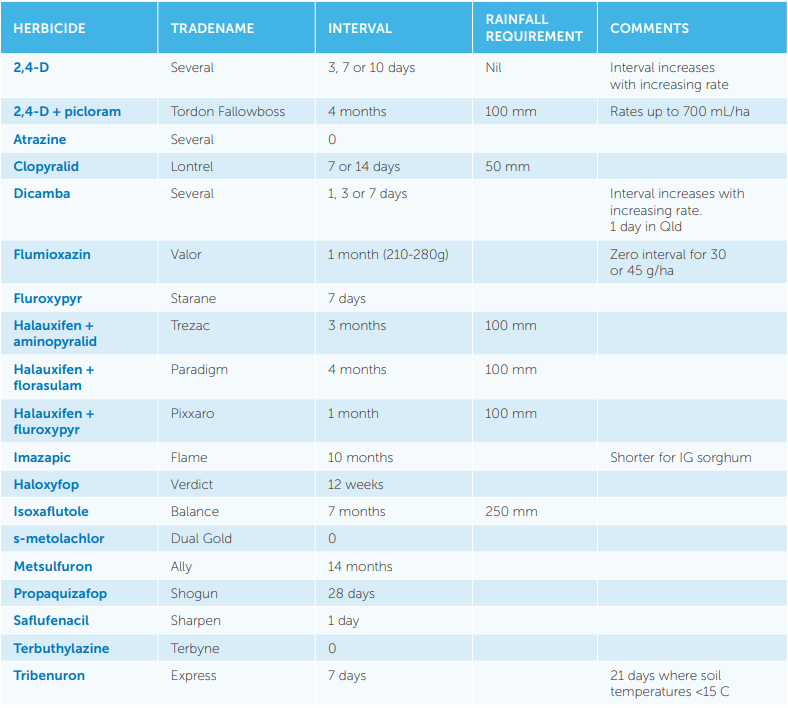
Valor® (flumioxazin) has been recently utilised for pre-emergence weed control in fallow at rates of 210 - 280 g/ha providing an alternate mode of action to s-metolachlor for the control of Feathertop Rhodes grass in particular. Unlike s-metolachlor, Valor needs to be applied at least one month prior to planting – a use pattern that lends itself to winter application prior to first germination of Feathertop Rhodes grass.
The low solubility of Valor means that weed seeds germinating close to the surface are well controlled including broadleaf weeds such as sowthistle and fleabane. Deeper germinating weeds such as liverseed grass are less reliably controlled.
Re-crop intervals following use of various herbicides in prior crops or fallow
Table 8: Re-crop intervals required for herbicides that may be utilised prior to sorghum planting
Pre-harvest glyphosate as harvest aid
Dryland grain sorghum production accounts for the largest proportion of Sorghum area under cultivation where crop production is underpinned by the accumulation of stored soil water in the fallow preceding planting. In some instances, sorghum has been grown as a “double-crop” after winter crop harvest where sufficiently rainfall is received around or soon after the harvest period to provide at least some replenishment of subsoil moisture and sufficient planting moisture to justify a planting decision.
As an indeterminant plant, sorghum harvest is frequently frustrated by the ongoing production of growth particularly where late season rainfall or irrigation allows for continuing growth. Some varieties have a strongly perennial habit with the result that harvest can be delayed for long periods while immature tillers develop to bear seed heads that eventually will produce viable grain or be terminated by killing frosts. Timely application of glyphosate sprays will prevent or suppress growth of late-season tillers allowing for more efficient and timely harvest. Desiccation of leaf matter and in some instances, acceleration of grain dry-down allow for more efficient and clean harvesting operation.
Early termination of growth also increases opportunity for moisture conservation in the soil profile, maximising the opportunity for double cropping in the event there is sufficient replenishment of soil moisture reserves before the window of winter cropping closes.
Timing of application is critical for the success of pre-harvest applications of glyphosate. Most consistent and effective results are achieved where late immature tillers are not present at the time of application and sprays are applied at physiological maturity of primary tillers. This can be judged without the aid of moisture meters with the appearance of a ‘black layer’ at the base of individual seeds in the seed head.
As a guide, grain moisture below 30 per cent is considered optimal for timing of pre-harvest sprays. Applications made prior to physiological maturity of primary tillers are less likely to be successful and may result in delayed maturity as plants attempt to complete grain fill. Early application can also lead to an extended interval to harvestable grain moisture leaving plants open to lodging should conditions deteriorate due to untimely rainfall. In the event of late season rainfall, it is better to apply treatments before the initiation of late tillers or at least before there is opportunity for late tillers to develop immature seed-heads.
The advent of high clearance ground-sprayers has enabled more efficient and timely control of sorghum with pre-harvest applications. While aerial application has been successfully used in the past, uniformity of spray deposit may be compromised by the need for a higher release height above the crop canopy, and the interference with deposition by a relatively dense crop canopy and varying wind velocity at height.
Best results with ground application are achieved with applications made in at least 50 L/ha carrier volume. A medium to coarse spray quality is likely to be equally effective in achieving satisfactory results while for aerial application, a minimum spray volume of around 30 L/ha is optimal for achieving more uniform deposition using narrower swath widths than would normally consider necessary for fallow spraying.
Useful Link:
GRDC Grownotes Sorghum Section 11 Crop Desiccation / Spray Out: https://grdc.com.au/__data/assets/pdf_file/0018/370602/GrowNote-Sorghum-North-11-Desiccation.pdf
Weed suppression by growing a competitive
sorghum crop
Summer grass weeds awnless barnyard grass (BYG) (Echinochloa colona) and feathertop Rhodes grass (FTR) (Chloris virgata) are problematic in sorghum crops. Not only are effective herbicide options limited, but numerous populations of both weeds have been confirmed resistant to glyphosate.
Over the past two summers (2017/18 and 2019), the Queensland Department of Agriculture and Fisheries (QDAF) Weed Science team have been investigating the impact of growing a competitive sorghum crop on the suppression of these key weeds. Field research has been conducted at the QDAF Hermitage Research Facility located east of Warwick as part of a GRDC-funded project being led by the University of Sydney [US00084 ‘Innovative crop weed control for northern region cropping systems’].
The field experiments have measured the impact of row spacing and crop density (2017/18) and row spacing and cultivar (2019) in the absence of herbicides (Figure 3). Weed seeds were sown into plots the day after crop planting and weed growth was assessed via biomass measurements and weed seed production counts. In addition, crop yield and biomass have been measured.
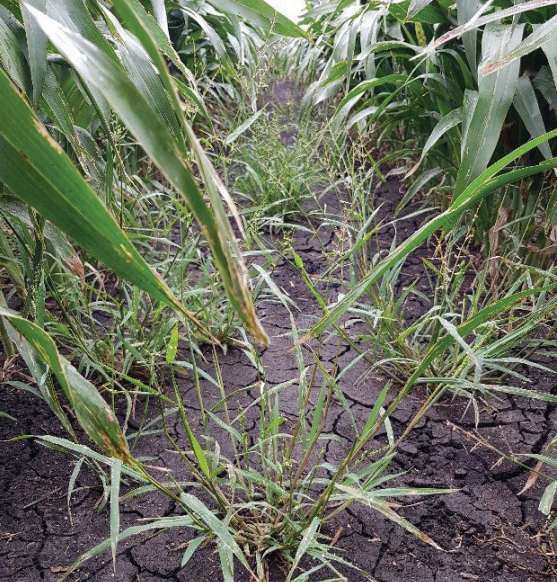
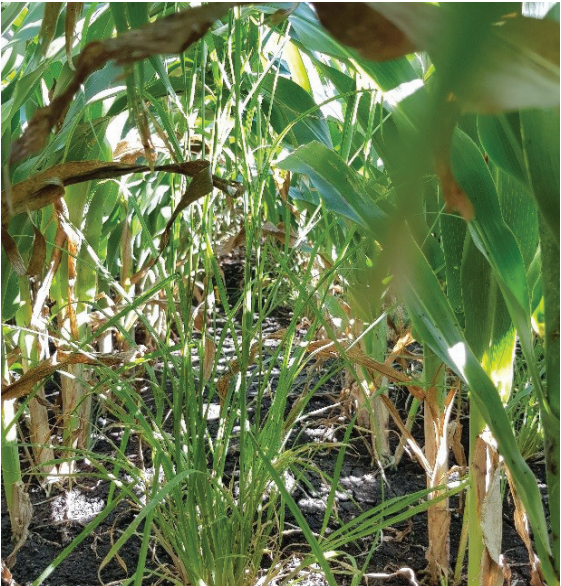
Figure 3: Awnless barnyard grass (left) and feathertop Rhodes grass (right) in row spacing trials at Hermitage Research Facility, Queensland. While feathertop Rhodes grass is a more aggressive summer grass weed, a narrow row spacing sorghum can significantly suppress its growth and seed production.
2017/2018 – Higher sorghum density reduced weed seed production
The field trial was planted in early December 2017 with treatments of row spacings at 50, 75 and 100 cm and crop density of 5 and 10 plants m-2. Weed-free and weedy plots were included. Sorghum emergence was irregular, and the density ranged from 3 to 16 plants m-2. This range of densities has been taken into consideration in the analysis and interpretation of findings. Weed densities were 15 - 21 BYG and 4 - 6 FTR plants/m2. Rain soon after planting caused both weed species to grow rapidly in crop.
Results
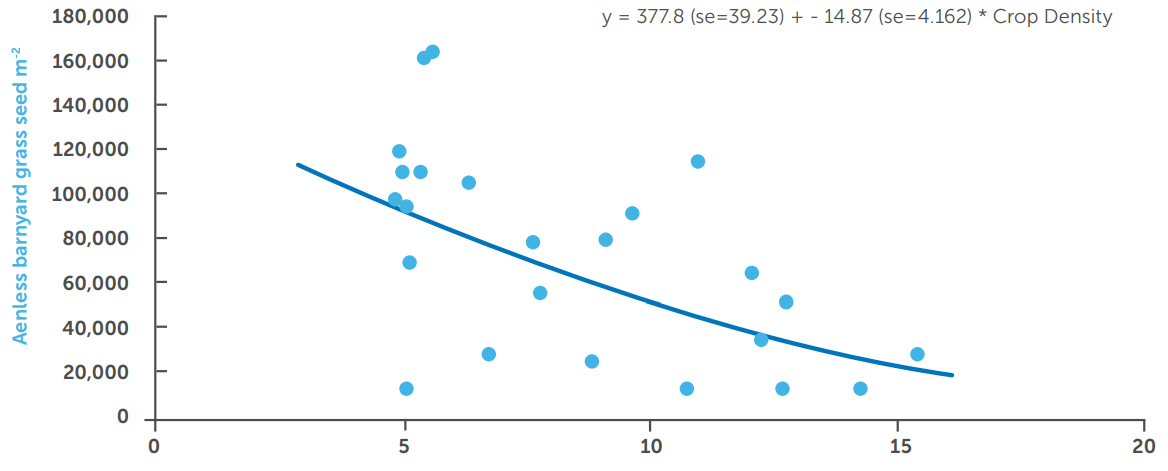
In this field trial, neither sorghum row spacing nor density treatments had an impact on BYG or FTR biomass. However, there was a significant overall effect of sorghum density on weed seed production. In sorghum at low densities, both BYG and FTR produced more seed than in sorghum at higher densities (Figures 4 and 5). Sorghum row spacing had no significant effect on weed seed production.
Figure 4: Greater sorghum density significantly reduced seed production of awnless barnyard grass at Hermitage, Queensland.
Sorghum density (plants m-2)
Figure 5: Greater sorghum density significantly reduced seed production of Feathertop Rhodes grass at Hermitage, Queensland.
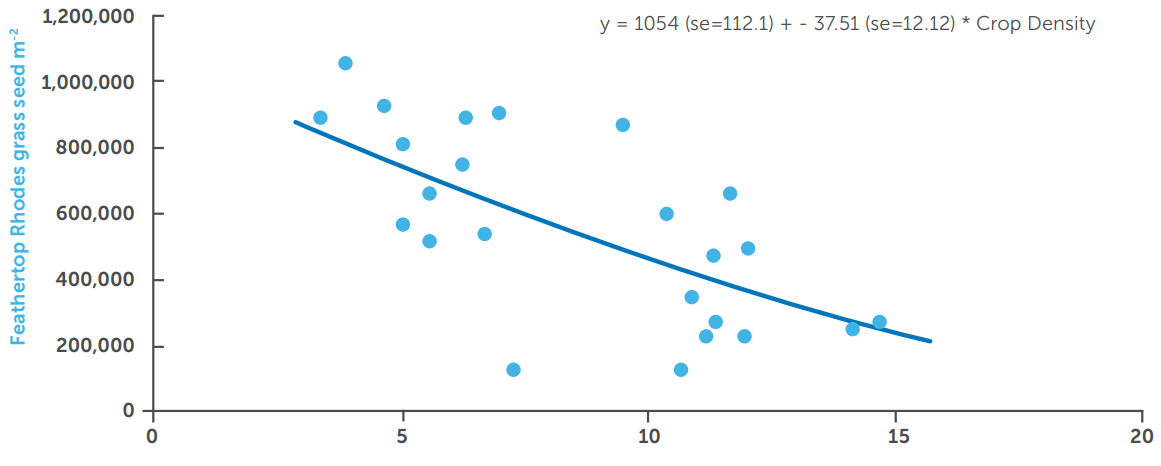
Sorghum density (plants m-2)
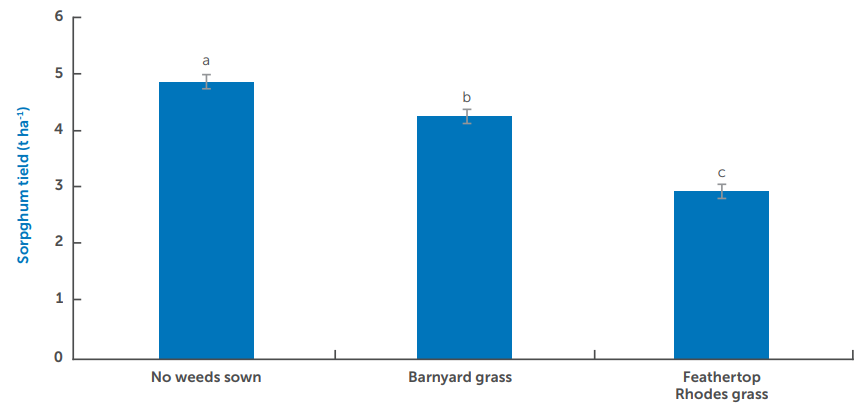
Sorghum yield was not significantly different between row spacing or crop density treatments. However, yield was significantly affected by the overall presence of weeds. Weed-free plots averaged a yield of 4.8 t ha-1 (Figure 6). Sorghum yield was reduced 20% by BYG to 3.9 t ha-1 and 44% by FTR to 2.7 t ha-1.
Figure 6: Effect of in-crop awnless barnyard grass and feathertop Rhodes grass on sorghum yield at Hermitage, Qld. No weeds sown indicates plots were maintained weed free. Letters indicate significant (P<0.05) difference at an LSD = 0.34.
2019 – Narrow row spacing reduced weed growth and seed production
Sorghum was sown (mid-January 2019) at either 50 or 100 cm row spacing, comparing three cultivars 85G33, Rippa and MR-Taurus. Crop density was kept consistent at 10 plants/m2 (equivalent to 100,000 plants/ha) and weed density was thinned to a consistent 5 plants m-2. Due to the later planting, the weeds were less vigorous than the previous year.
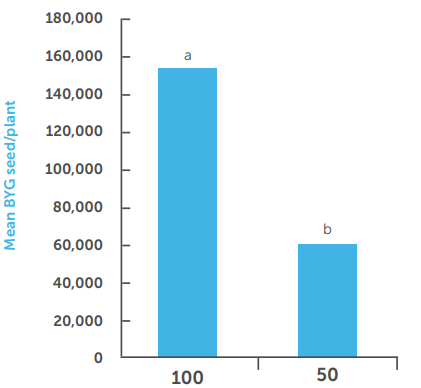
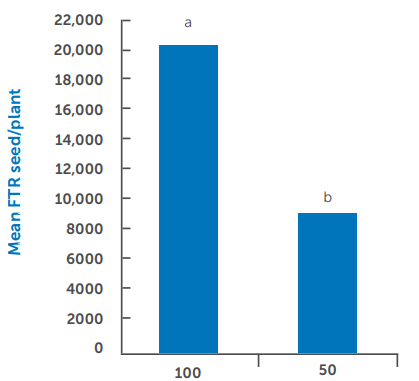
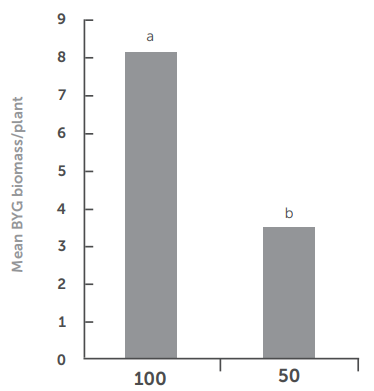
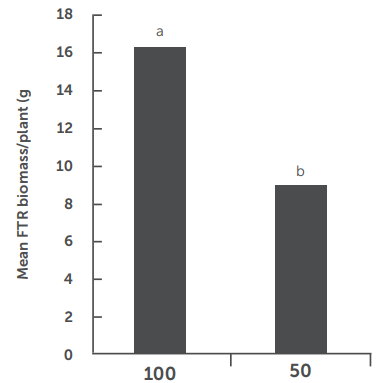
In brief, the growth of the weeds (biomass and seed production) were not affected by the cultivar of sorghum grown. Supporting this finding is the result that each cultivar had a similar biomass across the row spacings evaluated, so the shading of weeds would have been similar. However, in this trial, row spacing had a significant effect on weed growth with the biomass and seed production of both weeds significantly lower at 50 cm row spacing compared to 100 cm row spacing (Figure 7).
There was no difference in sorghum yield between row spacings and no significant effect of weed presence on yield. Average yield in weed-free plots was 7.55 t ha-1 compared to 7.38 and 7.37 t ha-1 when BYG and FTR were present respectively.
Figure 7: Narrow row spacing (50 cm) in sorghum resulted in a significant reduction in A) seed production and B) biomass, for individual awnless barnyard grass (BYG) and feathertop Rhode grass (FTR) plants. Bars within each graph with a different letter are statistically different at P<0.05.
Row Spacing (cm)
Row Spacing (cm)
Row Spacing (cm)
Row Spacing (cm)
What do these results mean?
The results achieved across two years show that growing a competitive sorghum crop with increased density and reduced row spacing can significantly suppress the growth and seed production of BYG and FTR.
The impact of row spacing across years was different, and this may be due to the different seasons and growth of the weeds. In 2017/18 the field trial was planted earlier and good rain soon after planting resulted in a large emergence of BYG and robust growth of both weeds. Hence, the weeds had a greater biomass and greater impact on reducing crop yield than in 2019 when the trial was planted later and the weeds did not grow as vigorously.
Cultivar had no impact on suppressing weed growth in the 2019 trial, suggesting cultivar choice will have a lesser impact on sorghum competitiveness than agronomy. However, the impact of cultivar may differ across seasons and locations.
Favourably, growing sorghum at narrow row spacing and increased density, did not have any negative impact on sorghum yield. Therefore, gains in competitiveness and reduction in weed growth can be achieved without reducing yield.
Rarely will a sorghum crop be grown without herbicides. Whether they be residual or knockdown, or a combination of both. Integrating a competitive sorghum crop with herbicides should provide an additive effect on reducing in-crop weed pressures, growth and seed production. Over time, this strategy should deplete the seed banks of both BYG and FTR, and reduce their impact on sorghum production.
Introduction to iGrowth sorghum
What is iGrowth technology?
The iGrowth technology in sorghum was developed by Advanta Seeds through mutagenesis methods and provides tolerance to herbicides of the Imidazolinone |family. The iGrowth trait is NOT a GMO. This technology allows farmers to apply registered herbicides at the recommended rates to iGrowth sorghum plants without causing damage. If this herbicide were to be applied on sorghum without this technology, it could cause death or irreversible damage to the crop.
The iGrowth technology will allow Australian sorghum growers the freedom to utilise registered group B herbicides to assist in their integrated weed control programs and will be particularly useful in controlling some common summer grass weeds in their summer crops. Advanta’s iGrowth technology also provides the option for double cropping back into paddocks which have grown Clearfield tolerant winter crops, avoiding issues with plant back residuals.

Chemical profile
Imidazolinone herbicides were first developed by American Cyanamid in the 1980’s for pre and post-emergence use in various pulse crops including soybeans, peanuts, lucerne, faba beans, chickpea. Imidazolinones inhibit acetolactate synthase (ALS), the enzyme common to the biosynthesis of the branch-chain amino acids (valine, leucine, and isoleucine) and hence formation of proteins.
As pre-emergence treatments, herbicides are taken up by the roots of germinating seedlings, inhibiting growth and in many instances causing plant death. However, it is common for some weed species to emerge initially but fail to develop beyond the seedling stage once newly formed roots access herbicide present in the soil solution. Highly susceptible species die around or very soon after emergence while less susceptible species become susceptible to competition from the developing crop.
Post-emergence applications of IMI herbicides are rapidly absorbed through leaves and translocated via phloem and xylem to sites of meristematic activity where they exert their toxic effect. Post-emergence treatments may also provide pre-emergence activity once the herbicide is moved in by rainfall or overhead irrigation into the soil.
Application window and method
Intervix (imazamox + imazapyr) is primarily a post-emergence foliar applied herbicide with some pre-emergence activity. At the rates registered for use in sorghum (0.75 - 1.0 L/ha), the duration of pre-emergence activity is less than that provided by Lightning (imazamethapyr + imazapyr), Spinnaker (imazamethapyr) and much less than Flame (imazapic) when applied at equivalent amounts of total active ingredient.
Useful Link:
Intervix Label:
https://crop-solutions.basf.com.au/preview/f/product/59cb37fb8d5c5b7640c8374c/Intervix_Label.pdf
Weeds controlled
Imidazolinone herbicides (IMIS) have broadspectrum activity with variation in the activity of individual herbicides for pre-emergence and post-emergence control. Control of broadleaf weeds post-emergence is normally limited to small weeds and relies to a measure on the effectiveness of crop competition occurring subsequent to application particularly for less susceptible species.
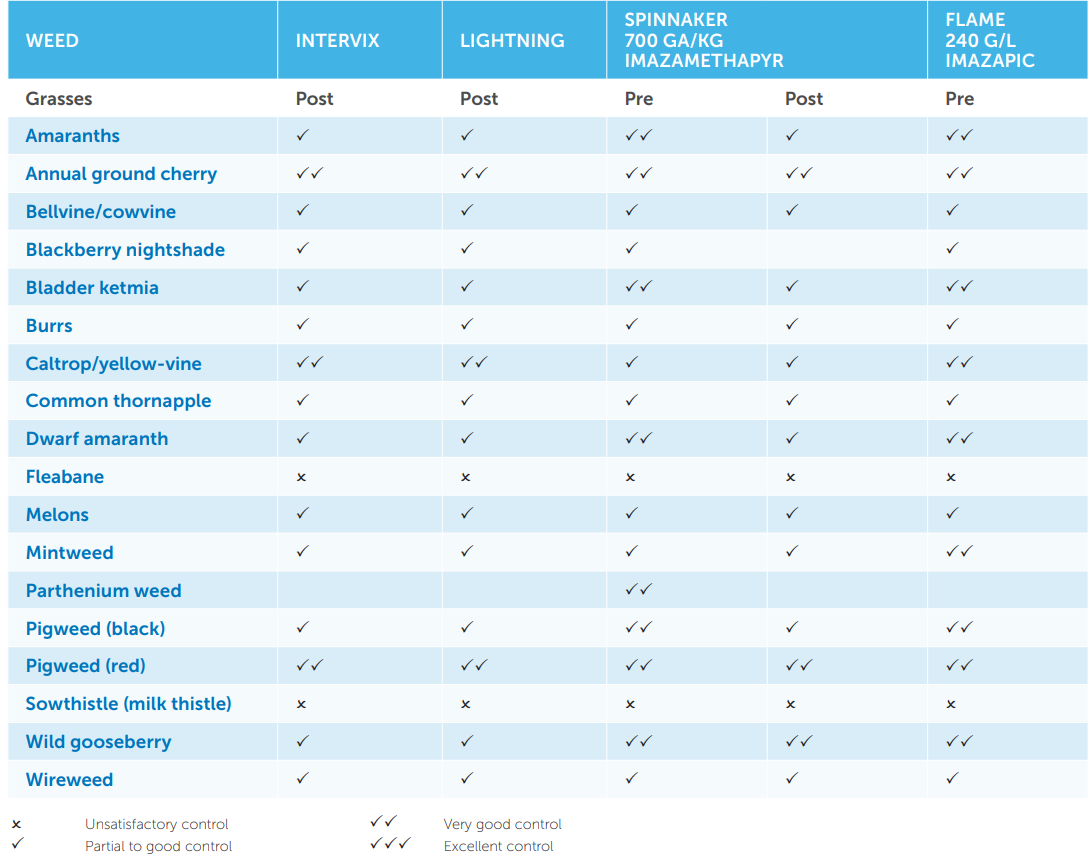
Tables 9 and 10 summarise the susceptibility of common weeds of sorghum for the various commercial formulations of IMI herbicides.
Table 9: Susceptibility of grass weeds to IMI herbicides
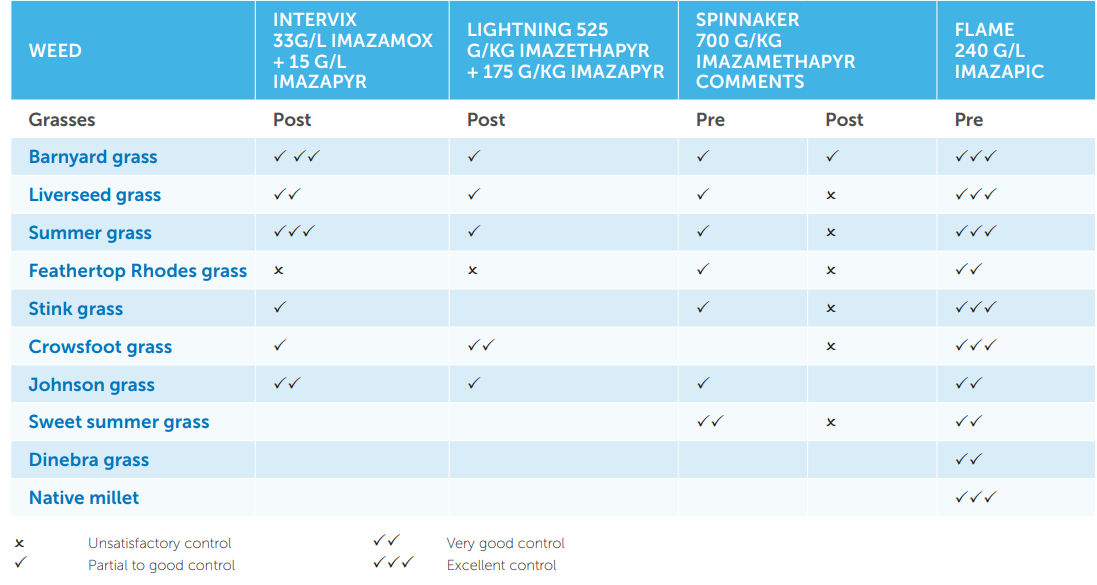
Table 10: Susceptibility of broadleaf weeds to IMI herbicides
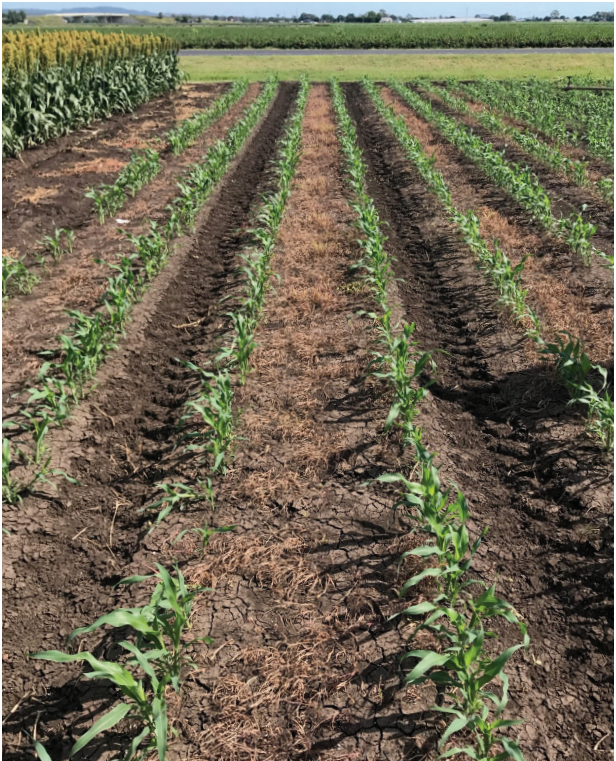
Grass control in iGrowth sorghum
Crop safety
iGrowth sorghum has high levels of tolerance to IMI herbicides having “double gene” tolerance. Some other IMI tolerant crops such as IT corn have lower levels of tolerance when compared to iGrowth sorghum.
Re-crop intervals for IMI herbicides
IMI herbicides are subject to microbial degradation. Conditions favourable for biological activity favour more rapid breakdown of IMI herbicides in the soil. Re-cropping intervals vary with products and rates used. In addition, persistence of IMIs tends to be greater in soils with lower pH (<pH 6) and in low organic matter soils and also where soil moisture is low.
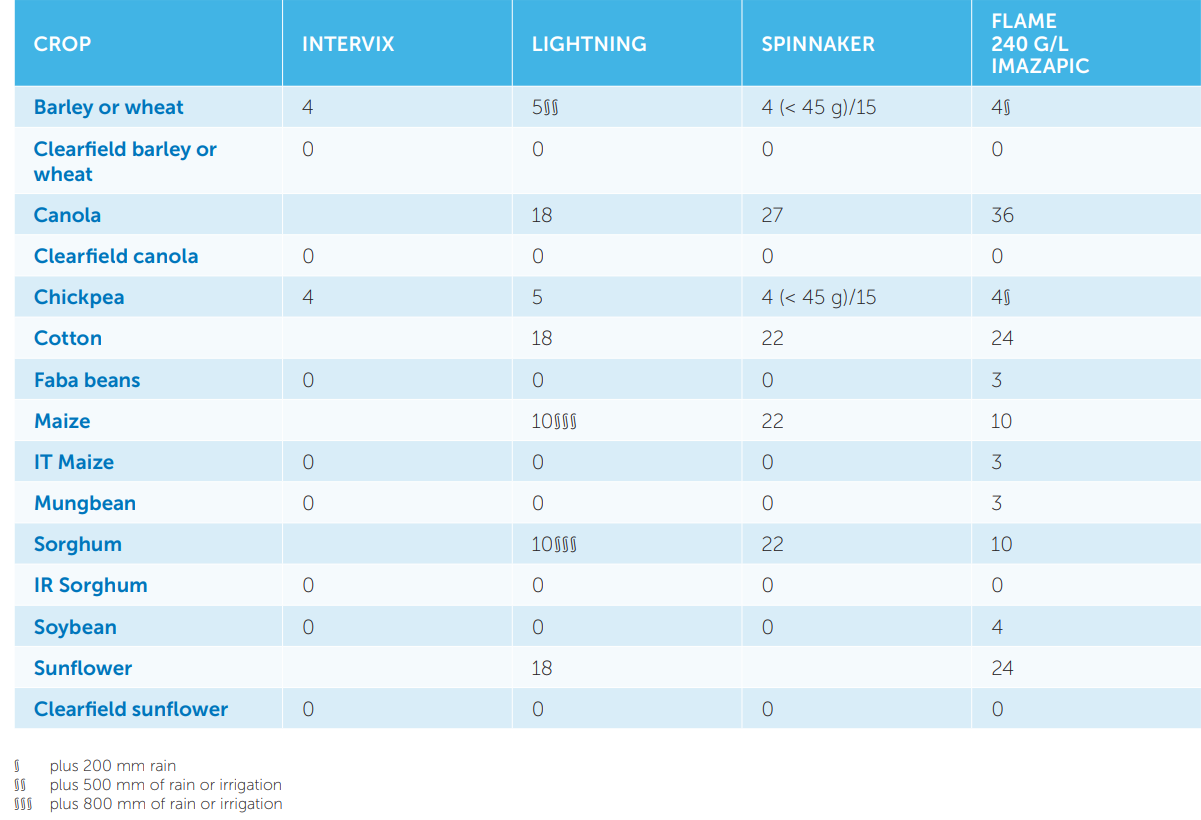
Table 11 summarises re-cropping intervals for commercial IMI formulations. Of the commercial products applied at similar rates of total active constituent), re-crop intervals are shortest for Raptor (imazamox) and Intervix (imazamox + imazapyr) and longest for Flame (imazapic). Rotational crops most susceptible to carryover of IMIs include canola (except Clearfield varieties), cotton, sorghum (except iGrowth varieties) and corn (except IT varieties). In instances where Spinnaker or Lightning are applied in summer crops at rates above 30 ga/ha, it is prudent if double-cropping to grow Clearfield varieties of either wheat or barley. If re-cropping to non-imidazolinone summer crops, pulses such as mungbean offer the greatest level of
safety from the effects of any carryover of Lightning or Spinnaker herbicides. Persistence of Intervix is expected to be much lower but highly susceptible rotational crops should not be planted within the recommended intervals.
Table 11: Re-crop intervals (months) from in-crop applications of Intervix, Lightning and Spinnaker or fallow applications of Flame in summer rainfall areas.
Herbicide tank mixes
IMI herbicides are frequently applied alone but are compatible with a range of other selective and non-selective herbicides for the purposes of increasing the range of weeds controlled. Flame for example, is compatible with other pre-emergence herbicides including terbuthylazine, diuron and isoxaflutole. IMI herbicides applied in fallow or pre-planting are compatible with knockdown herbicides
Risk of weed resistance
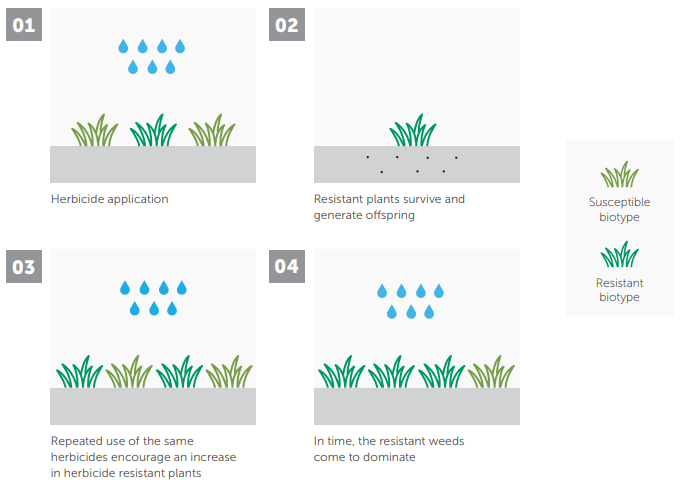
Group B herbicides having the ALS inhibitor mode of action are vulnerable in repeated use in selecting resistant herbicides when used to the exclusion of other weed control methods including herbicides having a different mode of action. The risk of evolution of resistant weed populations is dependent on the frequency of resistant plants in the starting population, the persistence or activity of the applied product, the frequency of application and the history of use of other herbicides sharing the same mode of action prior to the deployment of a new Group B herbicide.
In many sorghum growing areas, Group B herbicides have been sparingly used because of their incompatibility with farming systems including sorghum and cotton where these are quite susceptible to carryover of more persistent Group B herbicides such as metsulfuron, chlorsulfuron, triasulfuron and imazapic. For this reason, there is little evidence of resistance to Group B herbicides in these areas. Even in districts with a longer history of use of imazapic (Flame) in fallow, there have been no confirmed instances of evolved resistant weed populations though this risk remains should this practice be maintained uninterrupted.
Strategies to minimise risk of weed resistance
Weed resistance to IMI herbicides can be avoided by simultaneously employing other weed control measures and in particular, herbicides having differing modes of action. The most prudent approach in incorporating IMI herbicides in conjunction to iGrowth sorghum is to continue use of existing pre and post-emergence herbicides. This approach has been adopted by successful users of Lightning Herbicide in IT maize who found the exclusive use of Lightning often lead to a shift of weed populations that were less susceptible or tolerant to Lightning. In this instance, the inclusion of a pre-emergence herbicide program including s-metolachlor (Dual Gold) and atrazine followed by post-emergence applications of Lightning has enhanced a traditional weed control program relying entirely on s-metolachlor and atrazine and post-emergence treatments capable of controlling broadleaf weeds only.
This approach has also ensured a much lower risk of the development of weed populations resistant to IMI herbicides over the longer term and has already reduced the occurrence of a build-up of naturally tolerant weeds to IMIs.
Good practices for the management of tolerant crops to herbicides
Proper management of herbicide tolerant crops
Group B herbicides having the ALS inhibitor mode of action are vulnerable in repeated use in selecting resistant herbicides when used to the exclusion of other weed control methods including herbicides having a different mode of action.
The risk of evolution of resistant weed populations is dependent on the frequency of resistant plants in the starting population, the persistence or activity of the applied product, the frequency of application and the history of use of other herbicides sharing the same mode of action prior to the deployment of a new Group B herbicide.
In many sorghum growing areas, Group B herbicides have been sparingly used because of their incompatibility with farming systems including sorghum and cotton where these are quite susceptible to carryover of more persistent Group B herbicides such as metsulfuron, chlorsulfuron, triasulfuron and imazapic.
For this reason, there is little evidence of resistance to Group B herbicides in these areas. Even in districts with a longer history of use of imazapic (Flame) in fallow, there have been no confirmed instances of evolved resistant weed populations though this risk remains should this practice be maintained uninterrupted.
Integrated weed management and stewardship
Managing weed resistance: BMP
- Crop Rotation
- Rotate chemical modes of action
- Maintain the use of pre-emergent herbicides
- Use more than one chemical mode of action
- Use non-chemical options: crop competition, mechanical weeding
- Control escapes: keep the seed bank low
Key stewardship rules
- Do not apply to fields with high populations of summer weeds
- Do apply chemical with this mode of action on the target weeds more than once per 12-month period
- Scout for survivors after application, implement control strategies
- Report any serious spray failures
- Control sorghum spp on edges and fence lines
- Clean down equipment to prevent weed spread
How do herbicide resistant weeds develop?